The LanguageSkills blog.
Study guides, learner stories and honest advice on speaking a new language — written by the people who build your course.
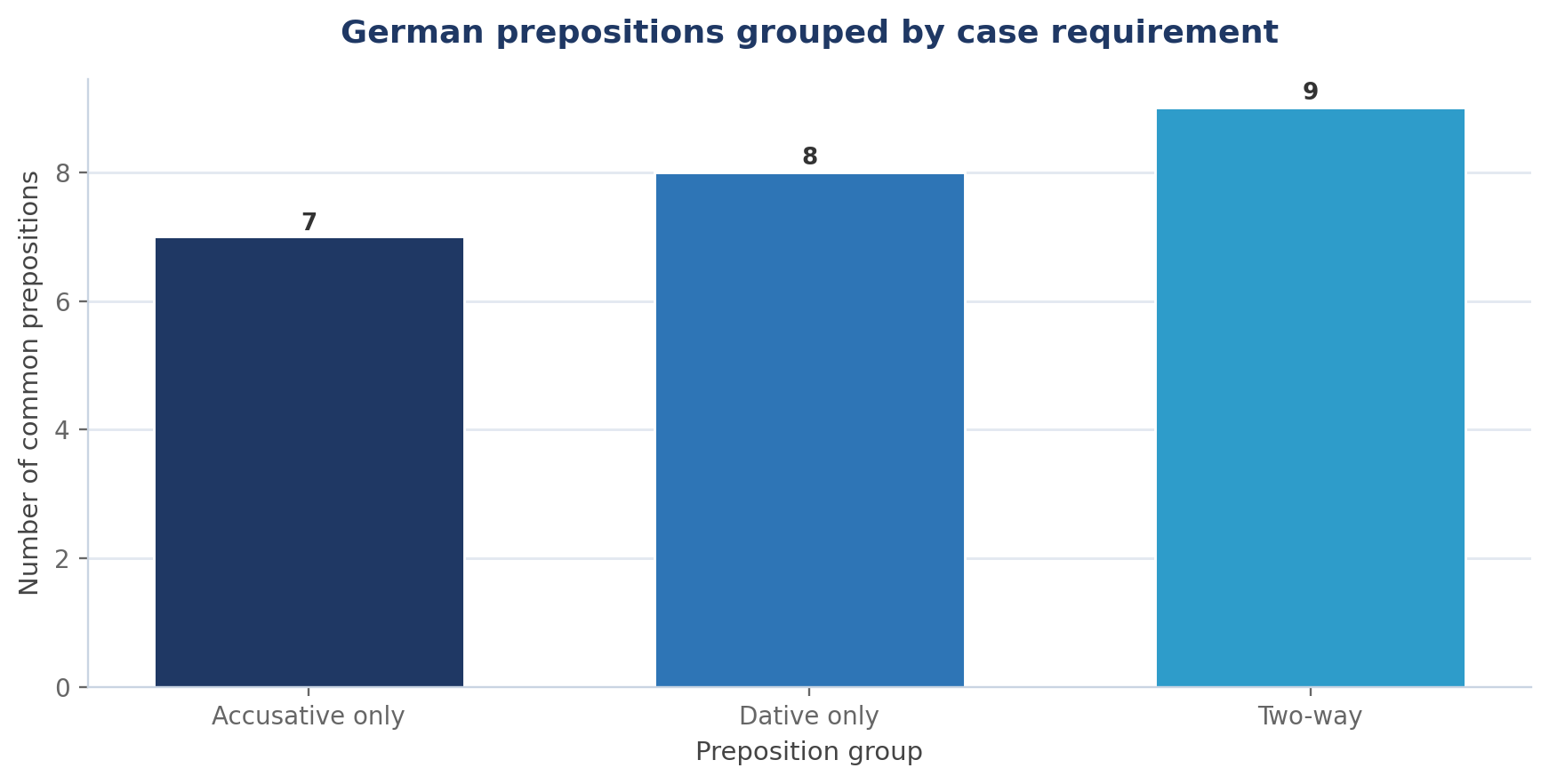
German Grammar: How to Use Two-way prepositions
Two-way prepositions in German explained in one rule: movement takes accusative, position takes dative. Full list, verb pairs and the mistakes to avoid.
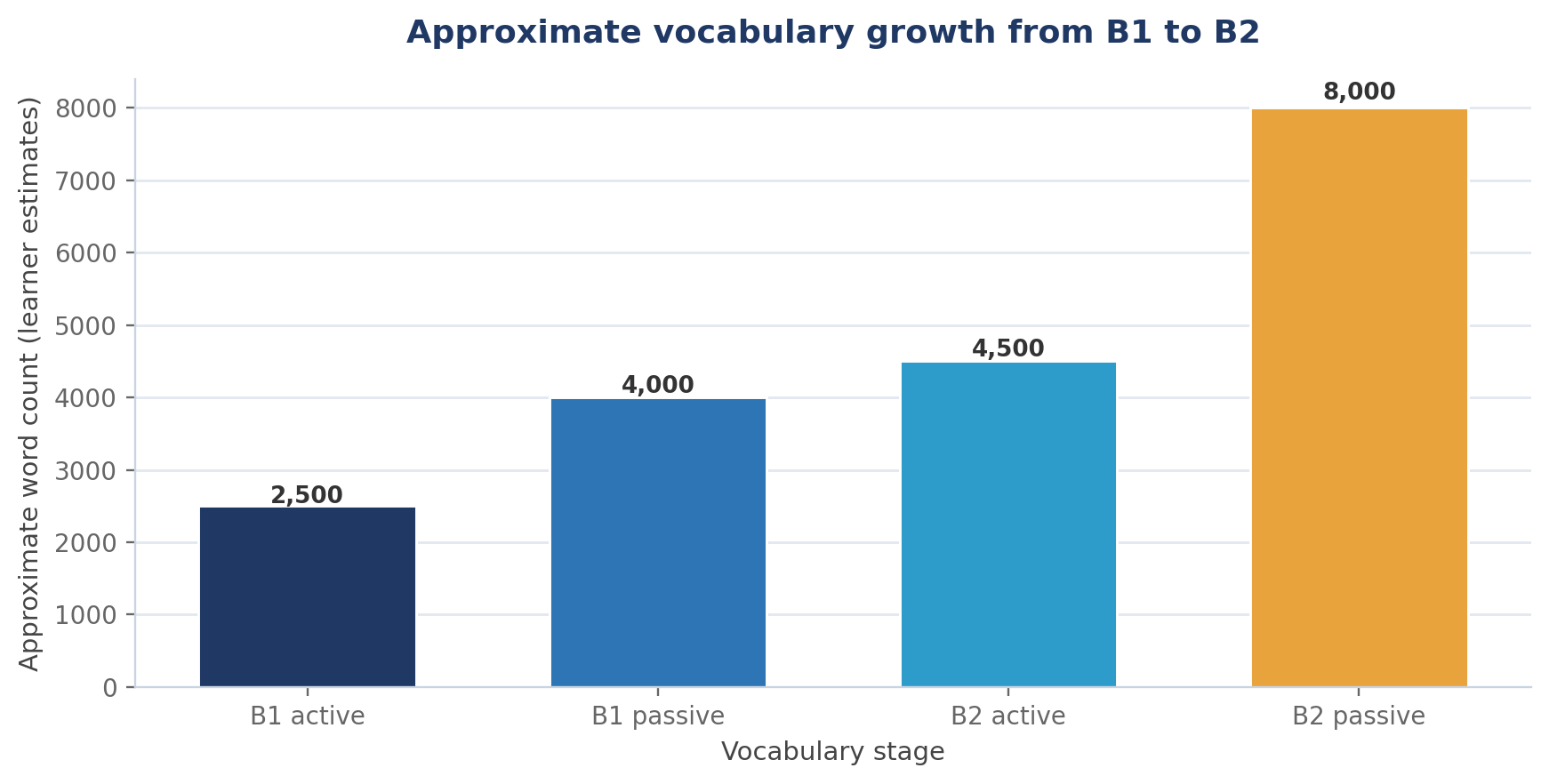
Spanish B2 Guide: What You Learn and How to Reach Upper-Intermediate Spanish
What Spanish B2 really requires: the grammar, the register control, the DELE B2 challenges, and a realistic plan from B1 to upper-intermediate Spanish.
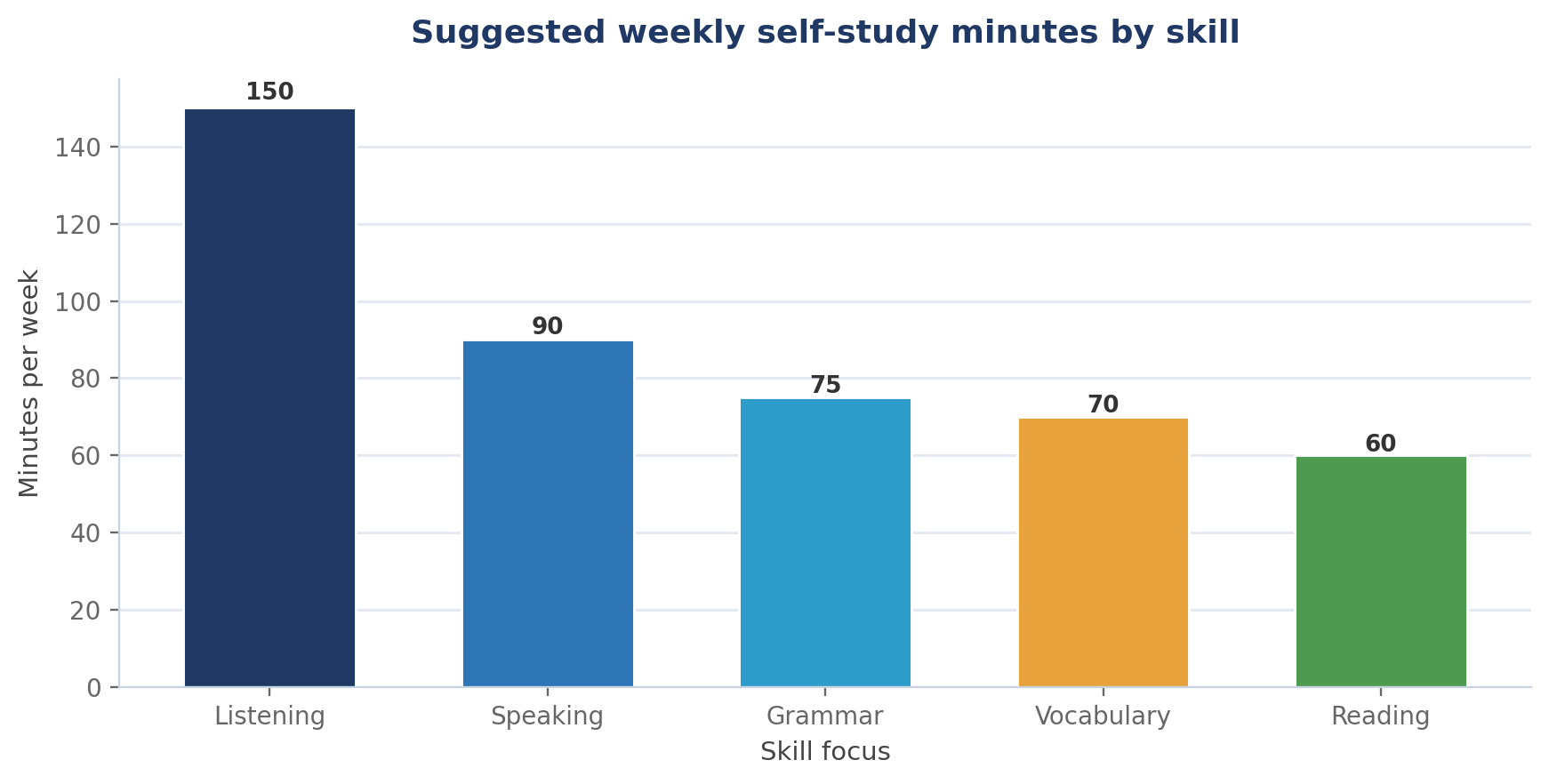
How to Learn French by Yourself: A Self-Study Roadmap
A realistic roadmap for learning French by yourself: what to study in what order, how to practise speaking alone, and where self-study hits its limit.
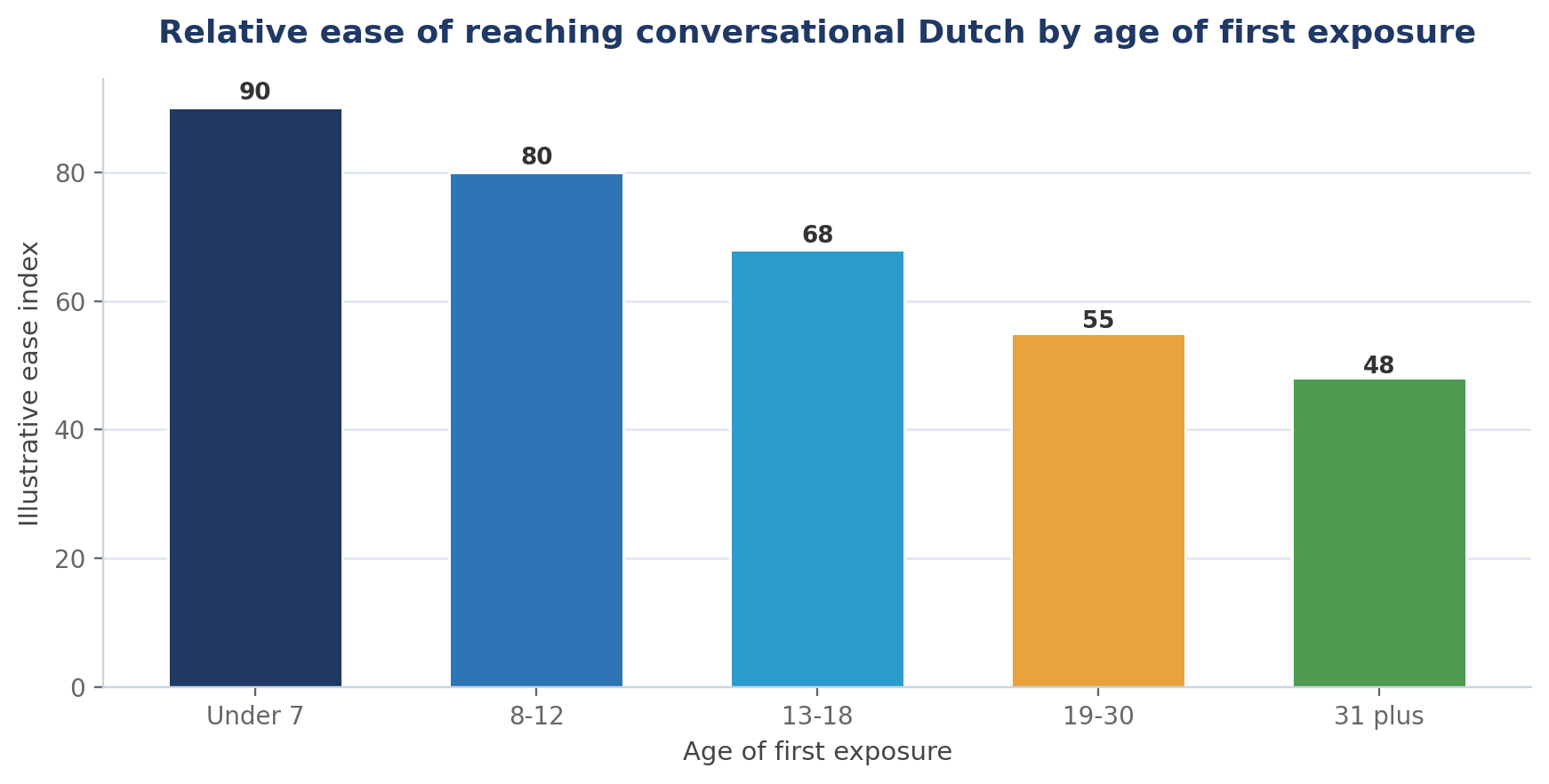
The Best Age to Start Learning Dutch
Is there a best age to learn Dutch? What research says about children and adults, what each age does better, and why the best time to start is now.
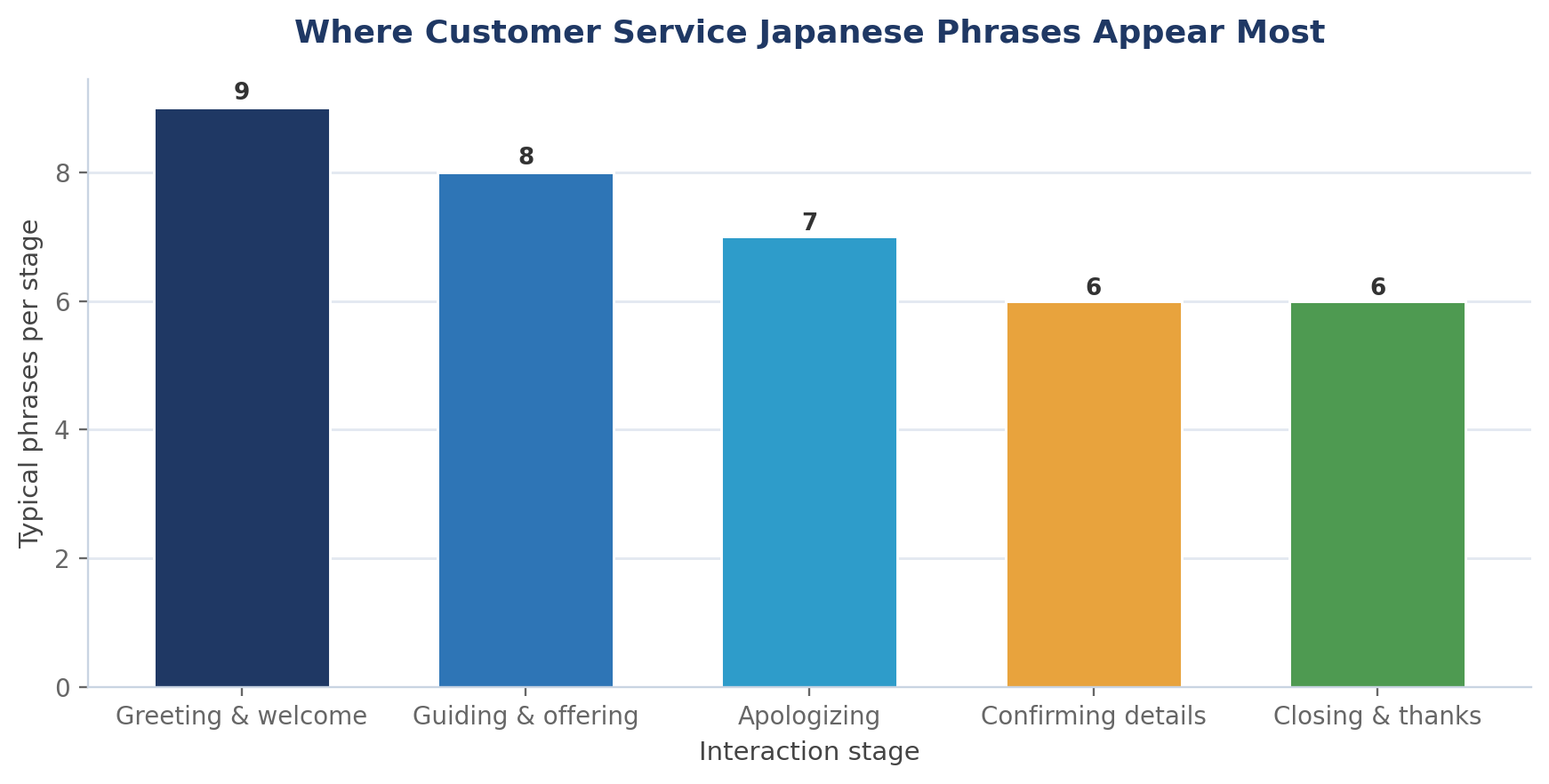
Japanese for Customer Service: Key Phrases
Master Japanese customer service phrases and keigo for real workplace situations. Learn polite greetings, apologies, and omotenashi scripts with clear examples.
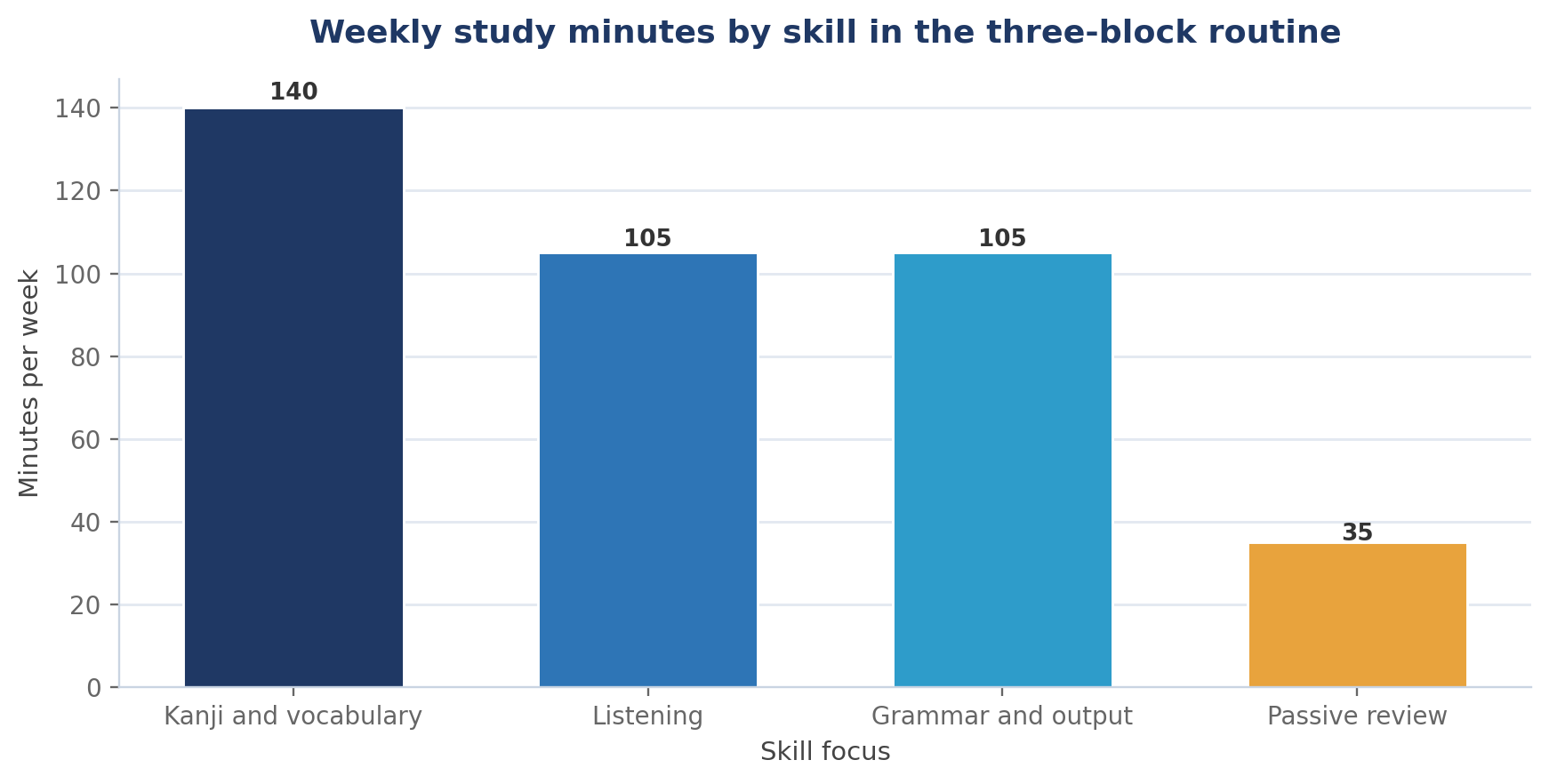
The Best Daily Routine to Learn Japanese
Build a japanese study routine you can actually keep. Get a simple daily japanese study plan, a kanji routine, and a weekly japanese practice schedule that works.
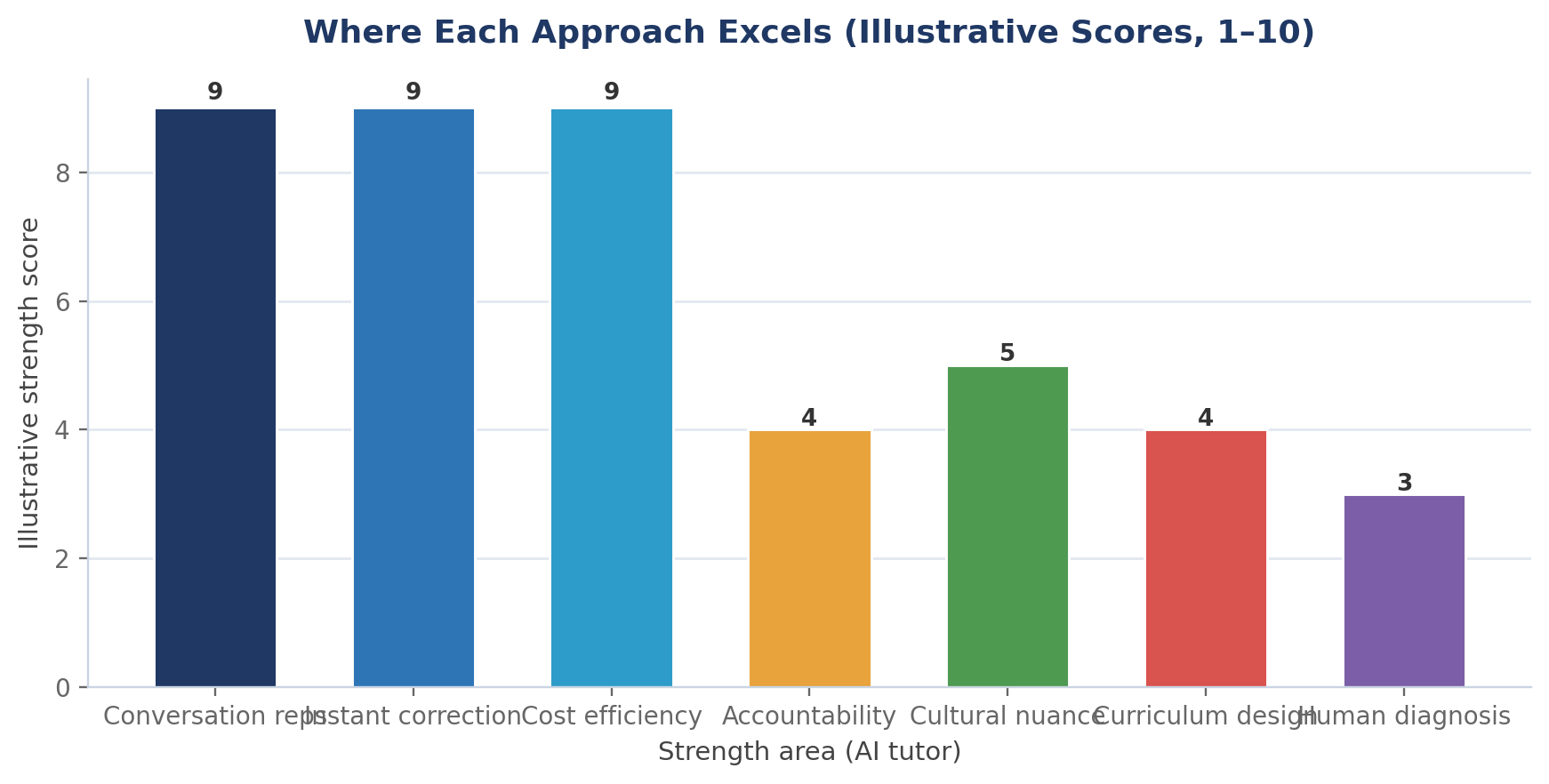
AI Language Tutor vs Traditional Japanese Classes
AI Japanese tutor or a traditional classroom? Compare cost, feedback speed, speaking practice, and accountability — then pick the mix that actually gets you fluent.
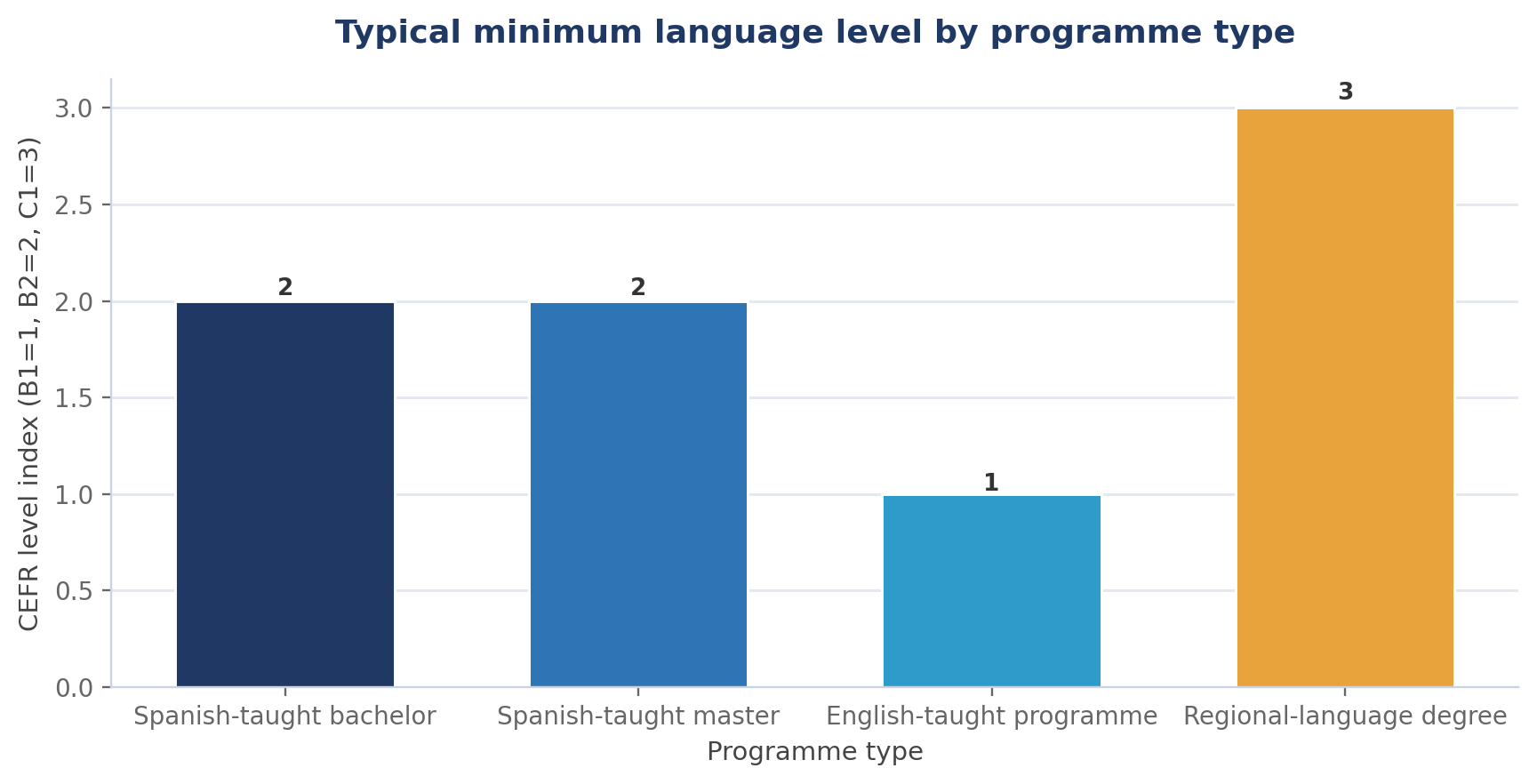
How Much Spanish Do You Need for University in Spain?
The real Spanish requirements for studying at a Spanish university: typical levels, accepted certificates, entrance routes and how long preparation takes.
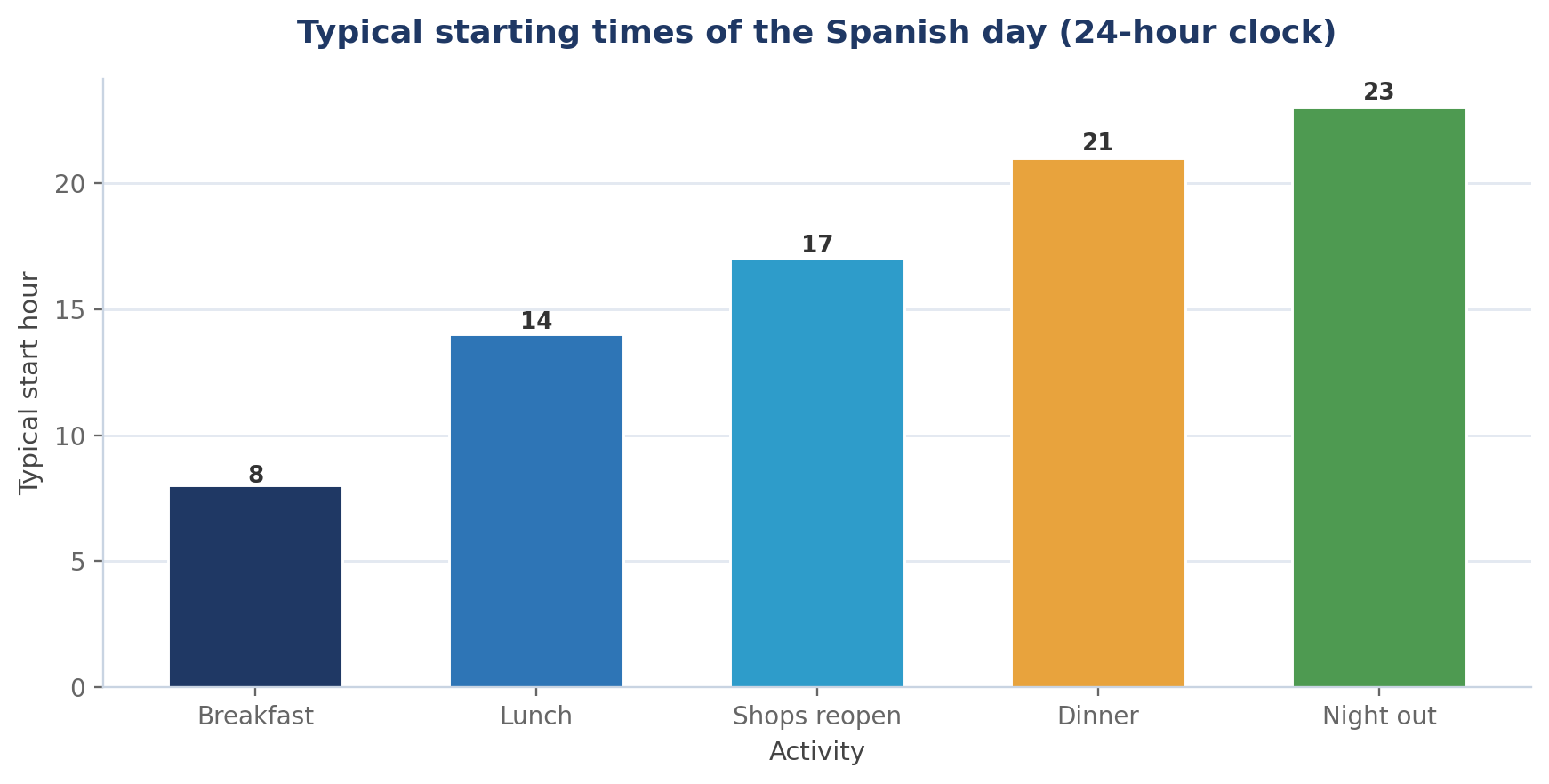
Cultural Tips for Your First Trip to Spain
First trip to Spain? These cultural tips cover meal times, greetings, tipping, opening hours and the phrases that make locals smile instead of sigh.
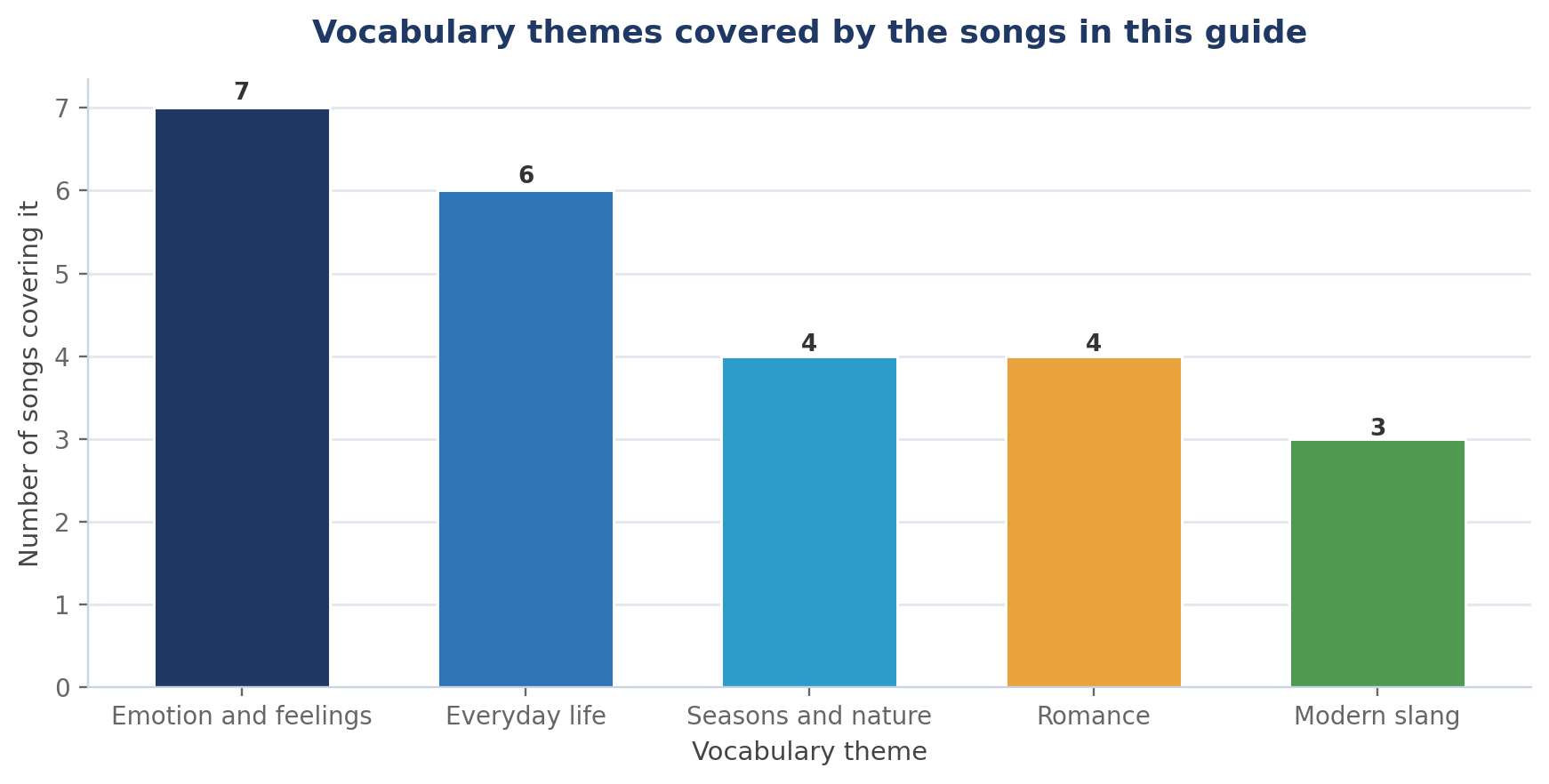
Japanese Music to Learn the Language (with Lyrics)
Japanese songs that actually teach the language — genres, real artists and lyrics to study, plus how to use music without picking up bad habits.
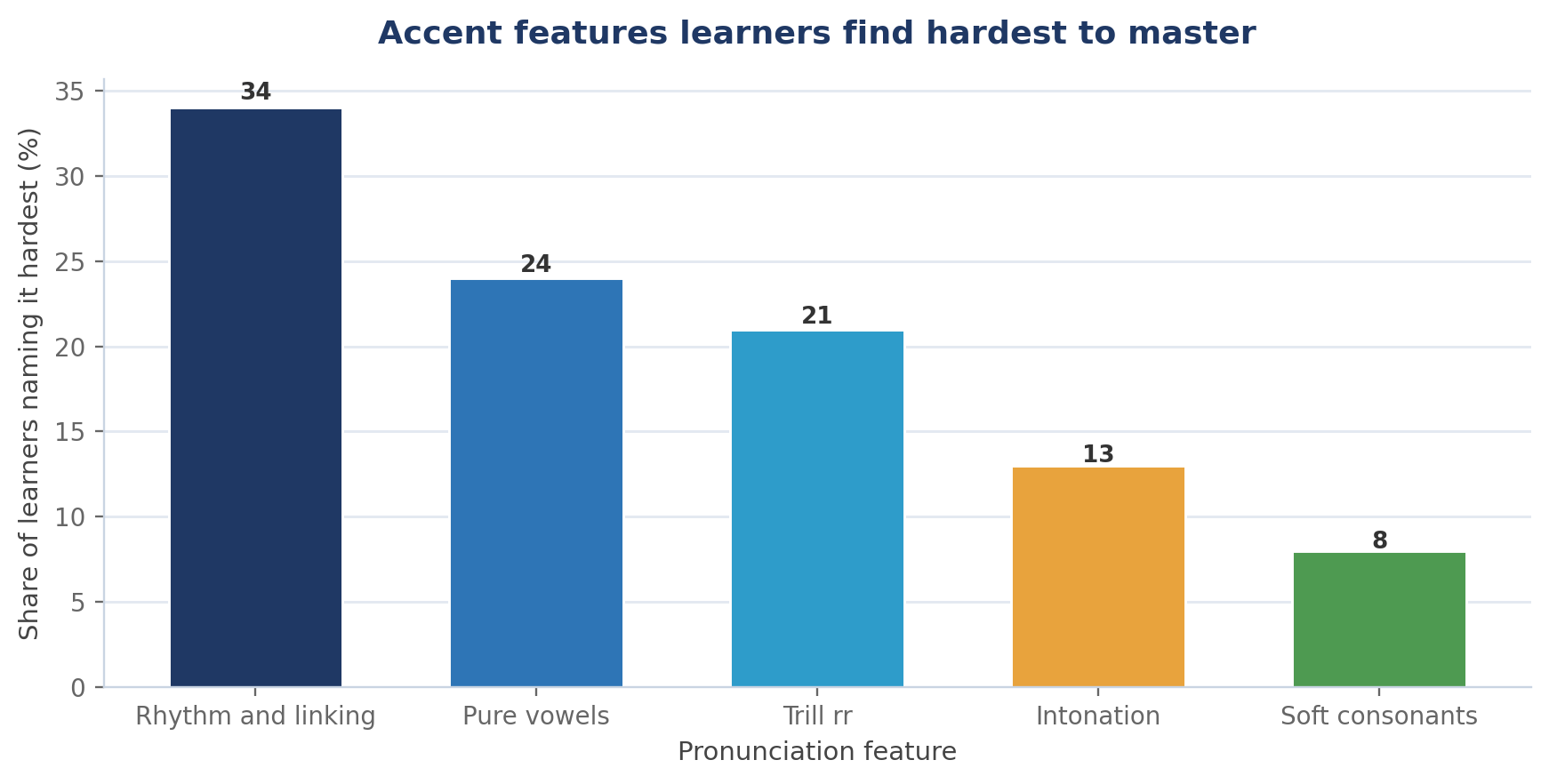
How to Sound More Native in Spanish
Why learners still sound foreign in Spanish — and the six pronunciation habits that fix it, from vowel purity to syllable rhythm and intonation.
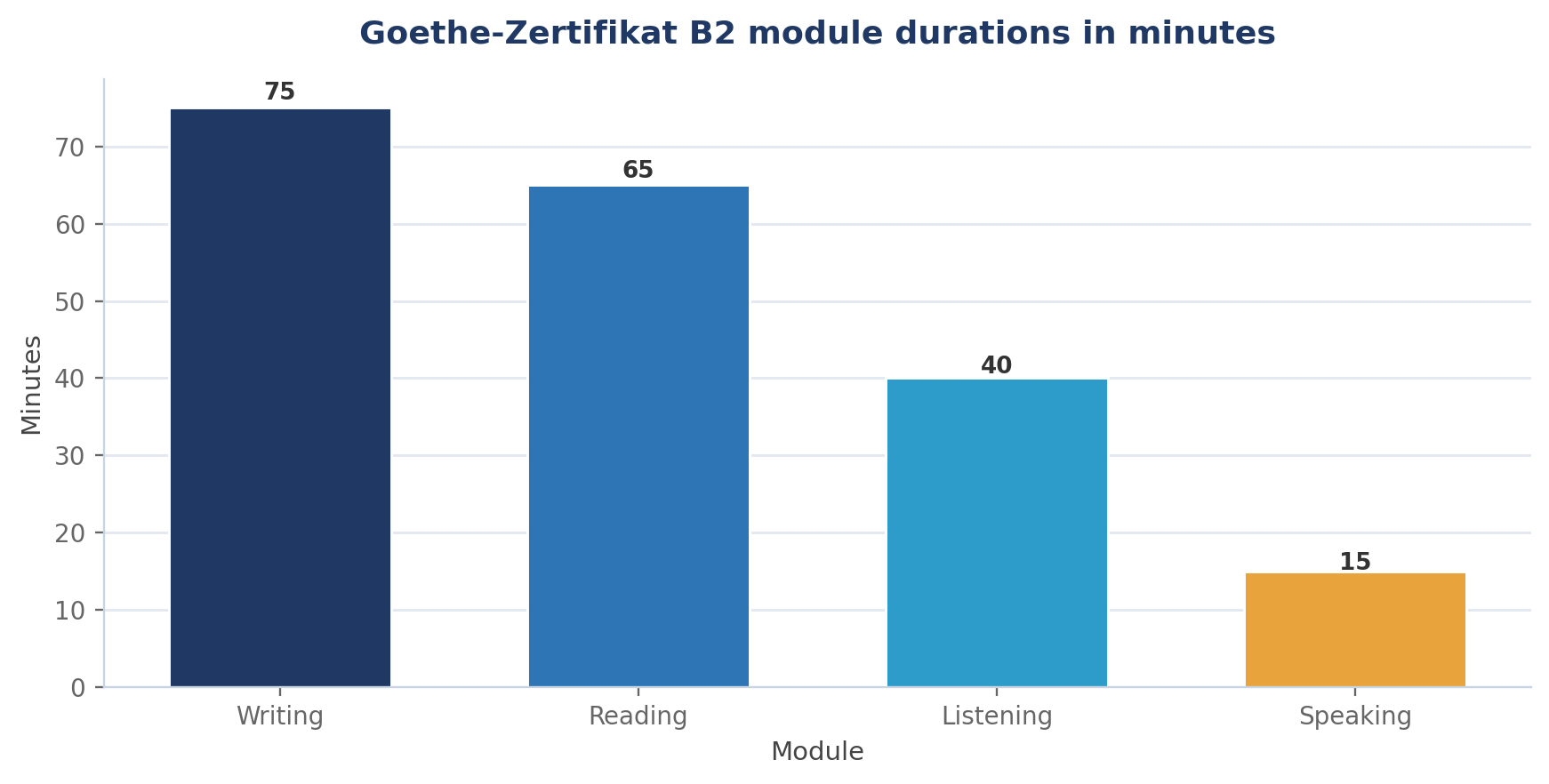
How to Pass Goethe-Zertifikat B2: A Complete 2026 Guide
A practical guide to passing Goethe-Zertifikat B2: module breakdown, scoring, a twelve-week plan, and the writing and speaking mistakes that fail candidates.
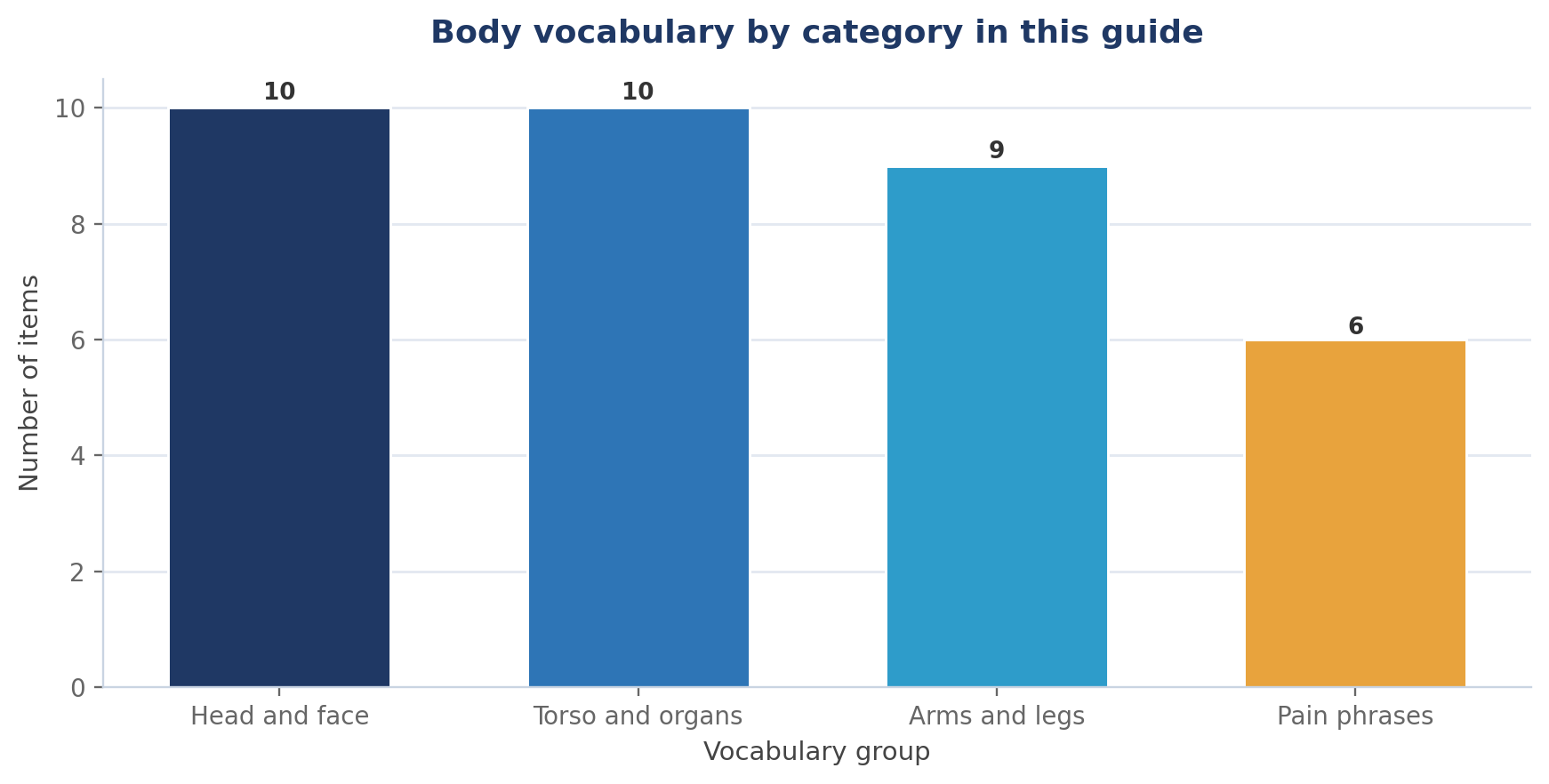
Essential German Vocabulary: The Body (with Examples)
German body vocabulary with articles, plurals and example sentences — plus the pain phrases that get you through a real doctor's appointment.
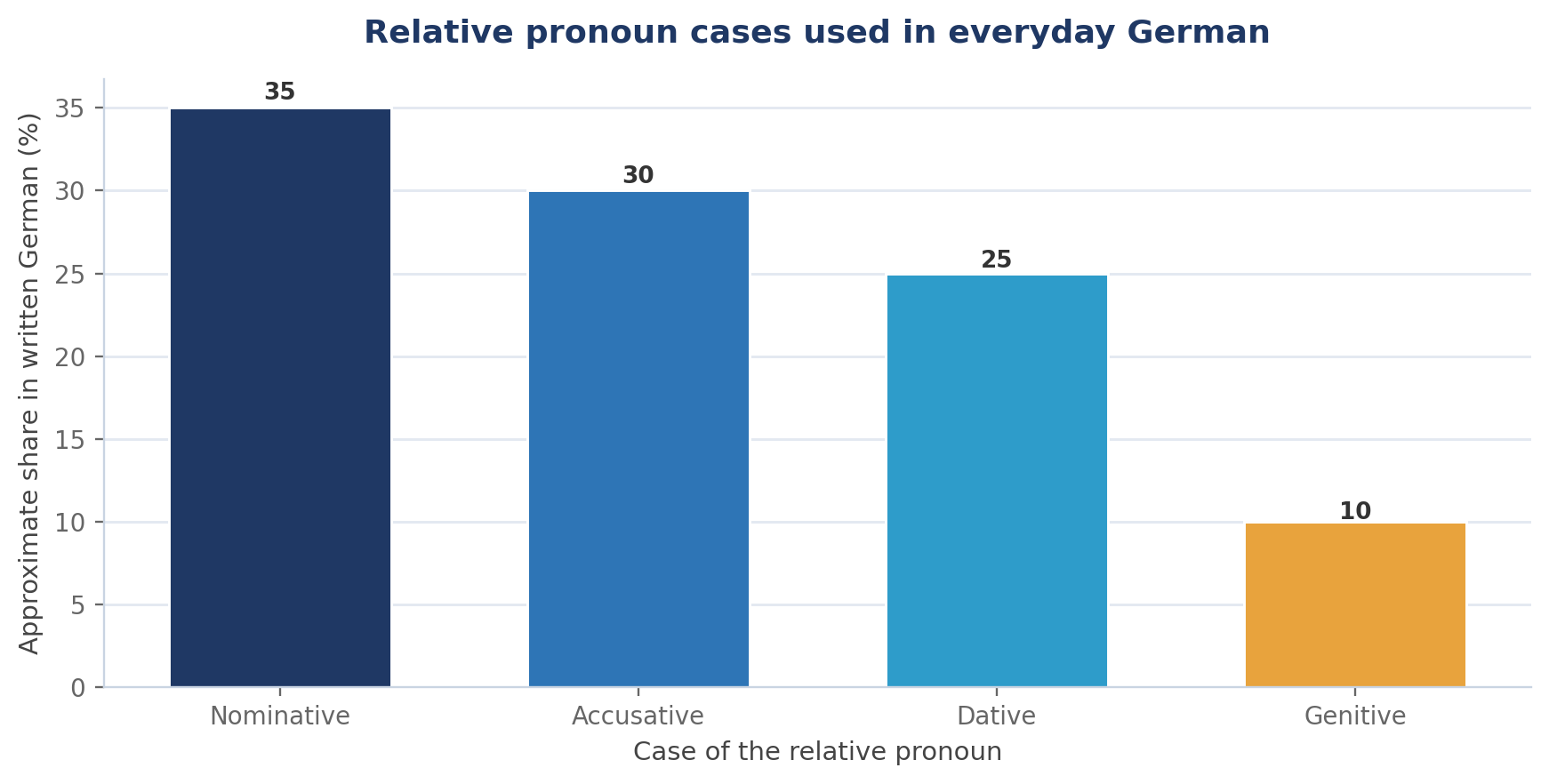
German Grammar: How to Use Relative Clauses
German relative clauses explained simply: which pronoun to choose, which case to use, where the verb goes, and the comma rules that trip everyone up.
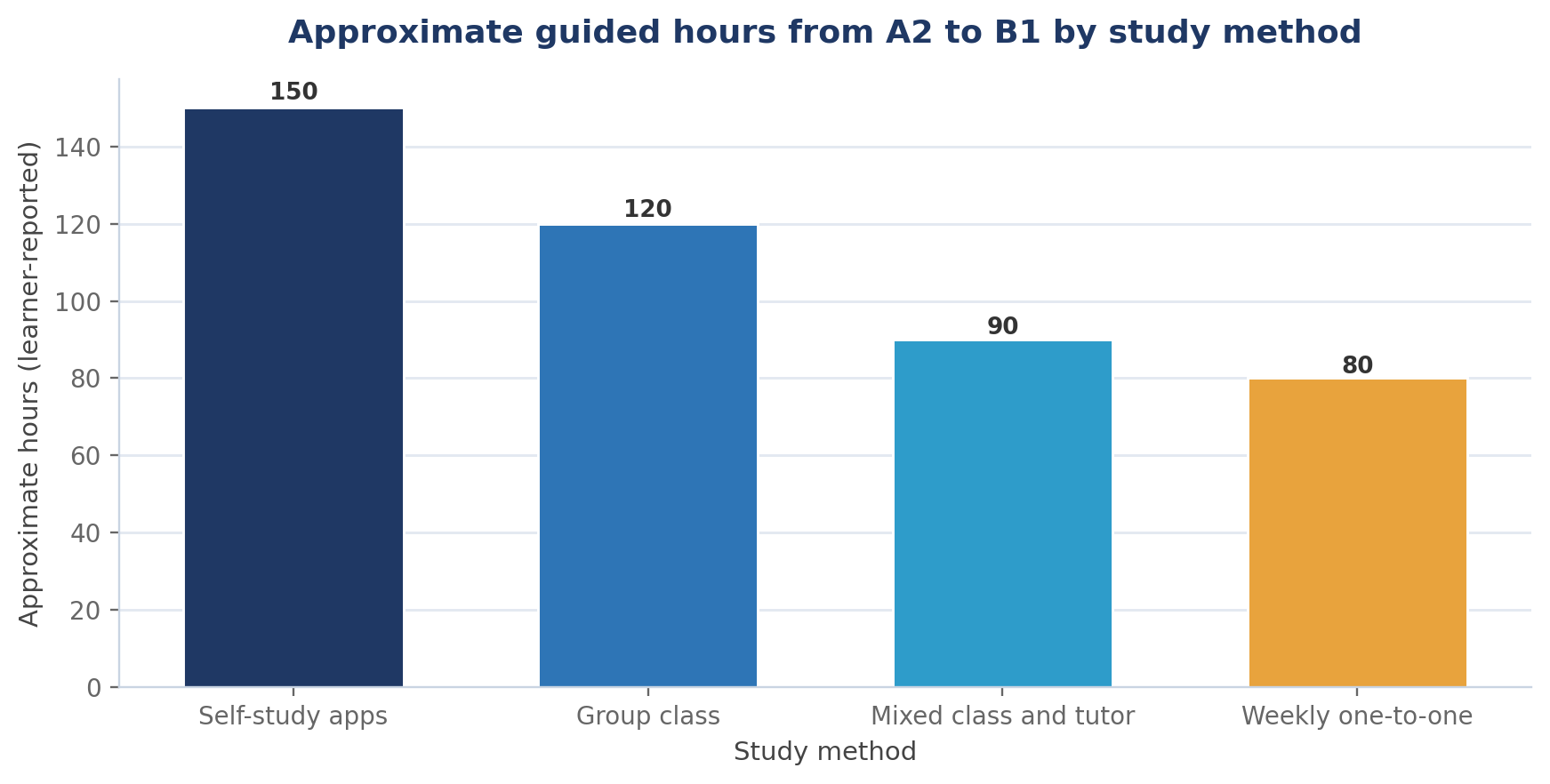
Spanish B1 Guide: What You Learn and How to Reach Intermediate Spanish
What Spanish B1 really contains — the grammar, the subjunctive, the DELE B1 format — plus a realistic twelve-week route to intermediate Spanish.
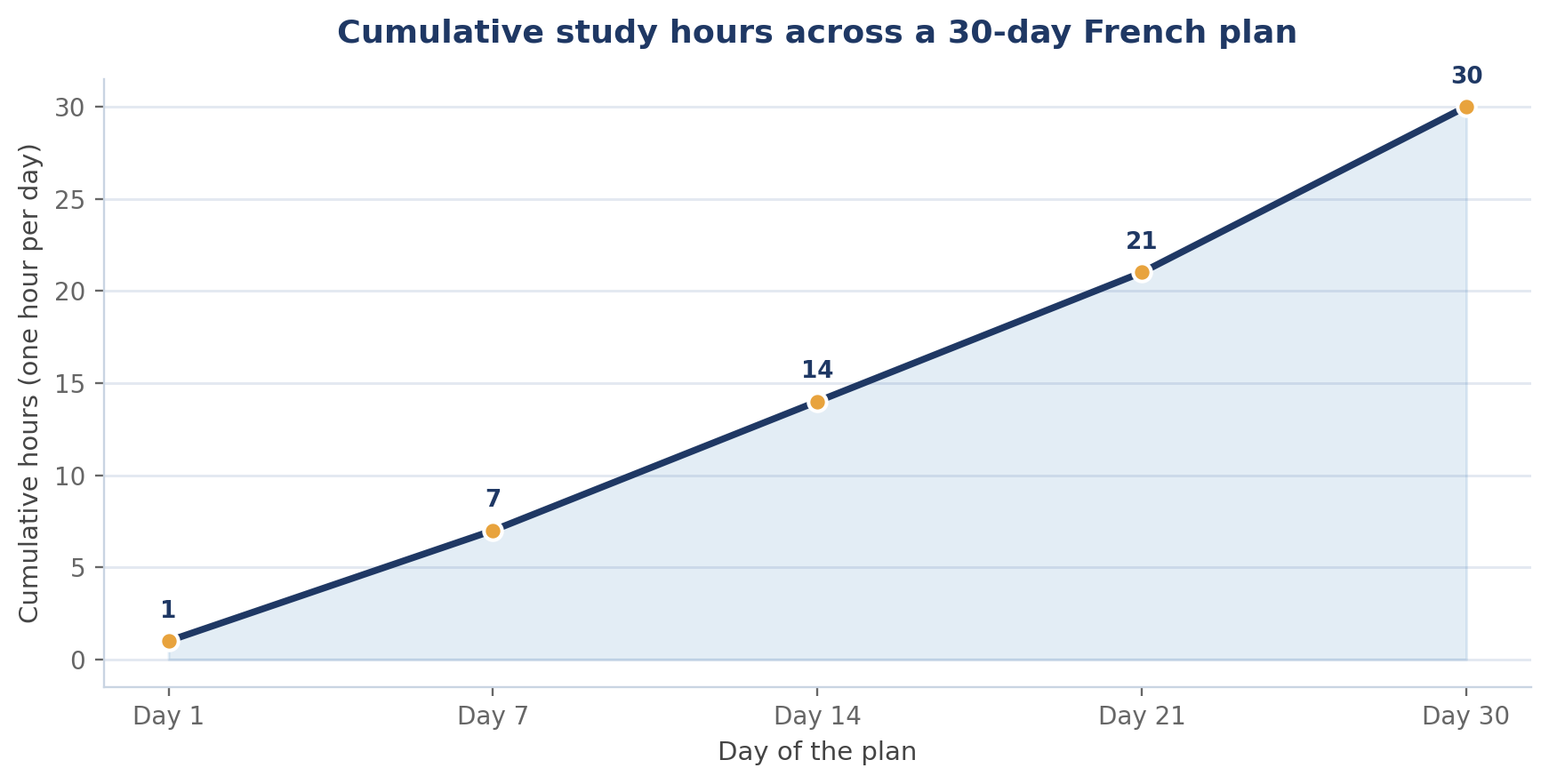
Learn French in 30 Days: A Realistic Day-by-Day Plan
A realistic 30-day French plan: what you can truly achieve in a month, a day-by-day structure, and the habits that turn four weeks into survival French.
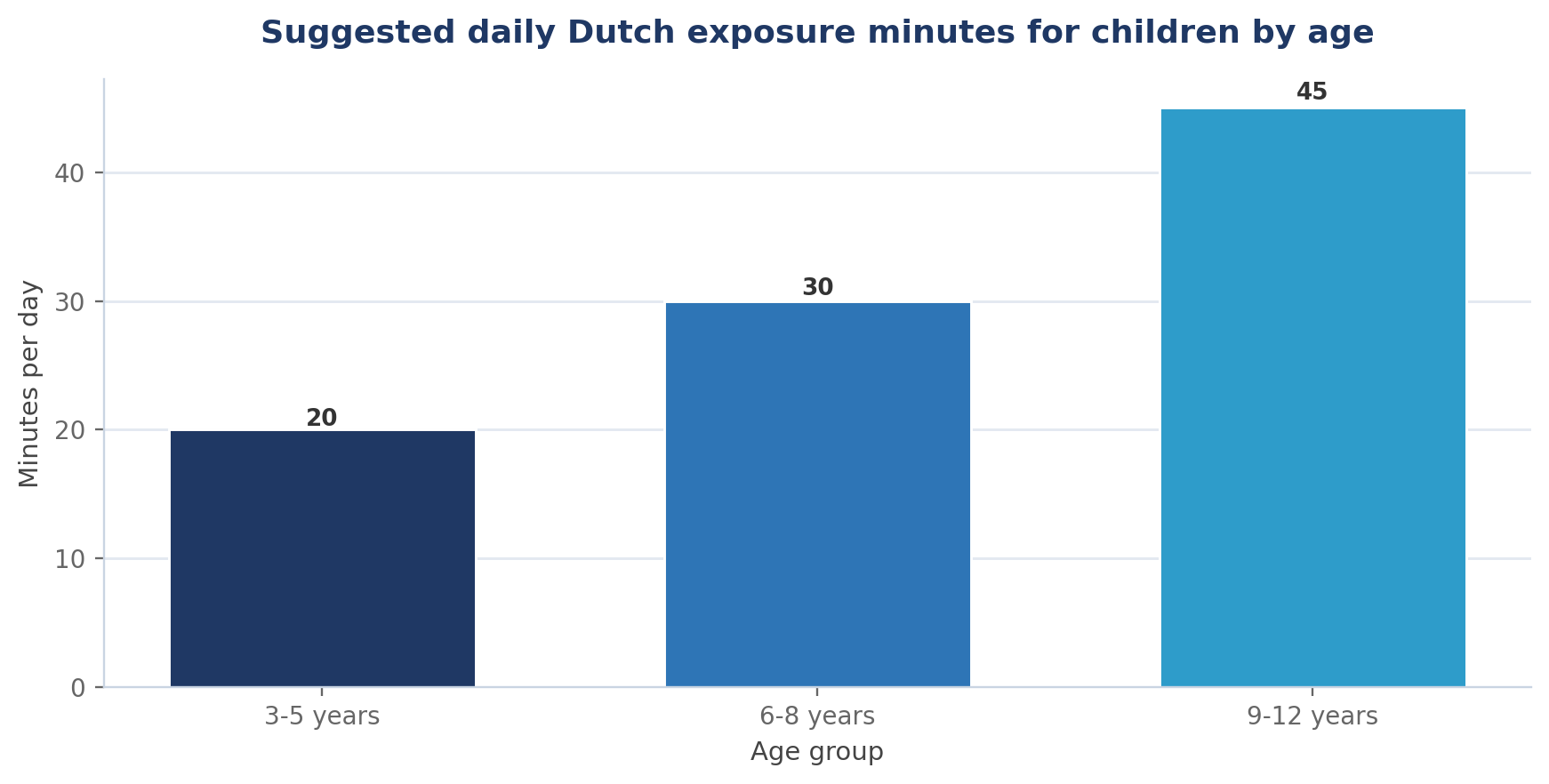
Fun Dutch Games and Activities for Children
Fun Dutch games and activities that get children speaking Dutch fast — playground games, songs, board games and daily routines, with the vocabulary each one teaches.
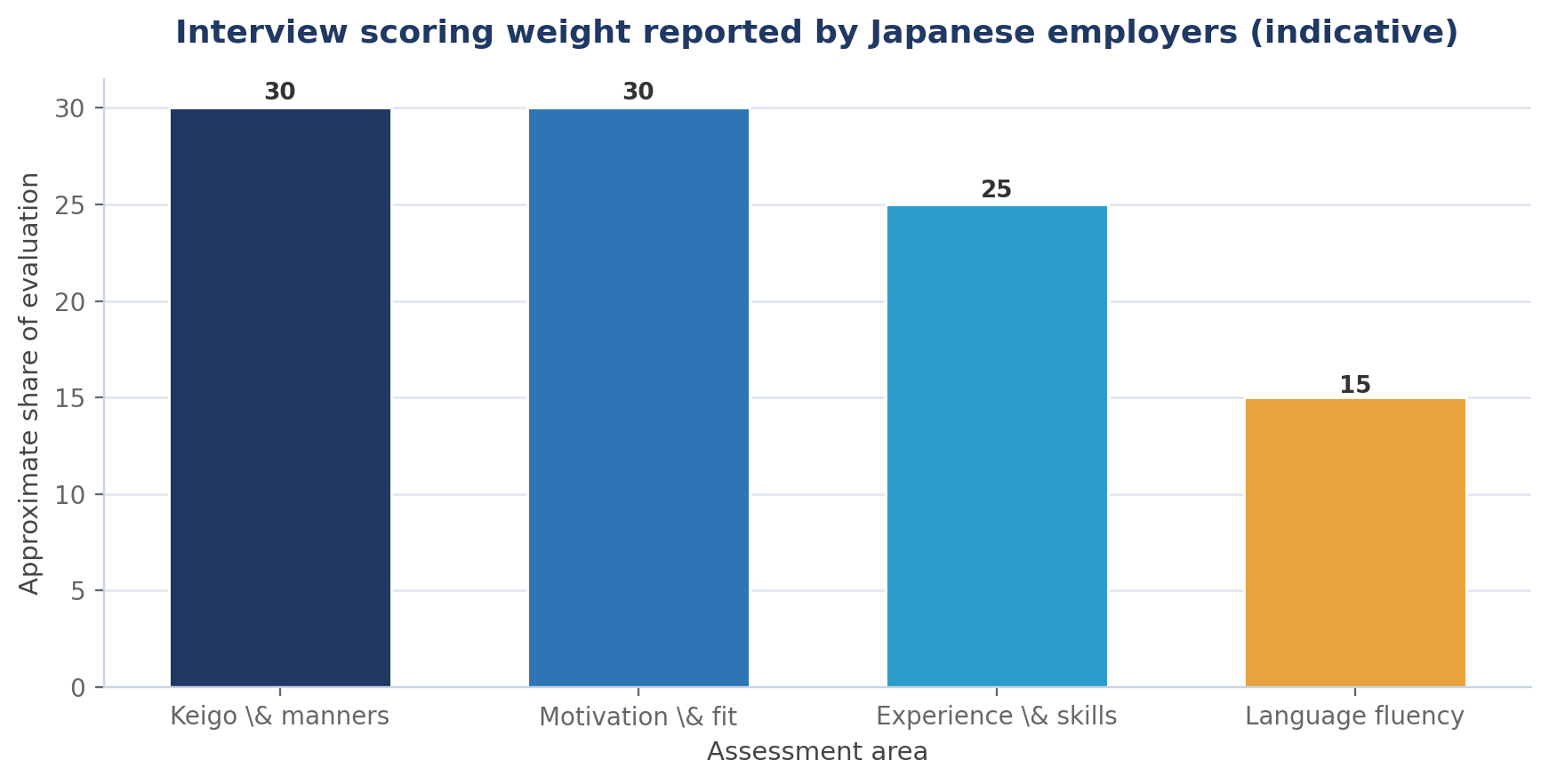
Japanese Job Interview: Common Questions and How to Answer
Prepare for a Japanese job interview with the questions employers actually ask, model keigo answers, and the business manners that decide the outcome.
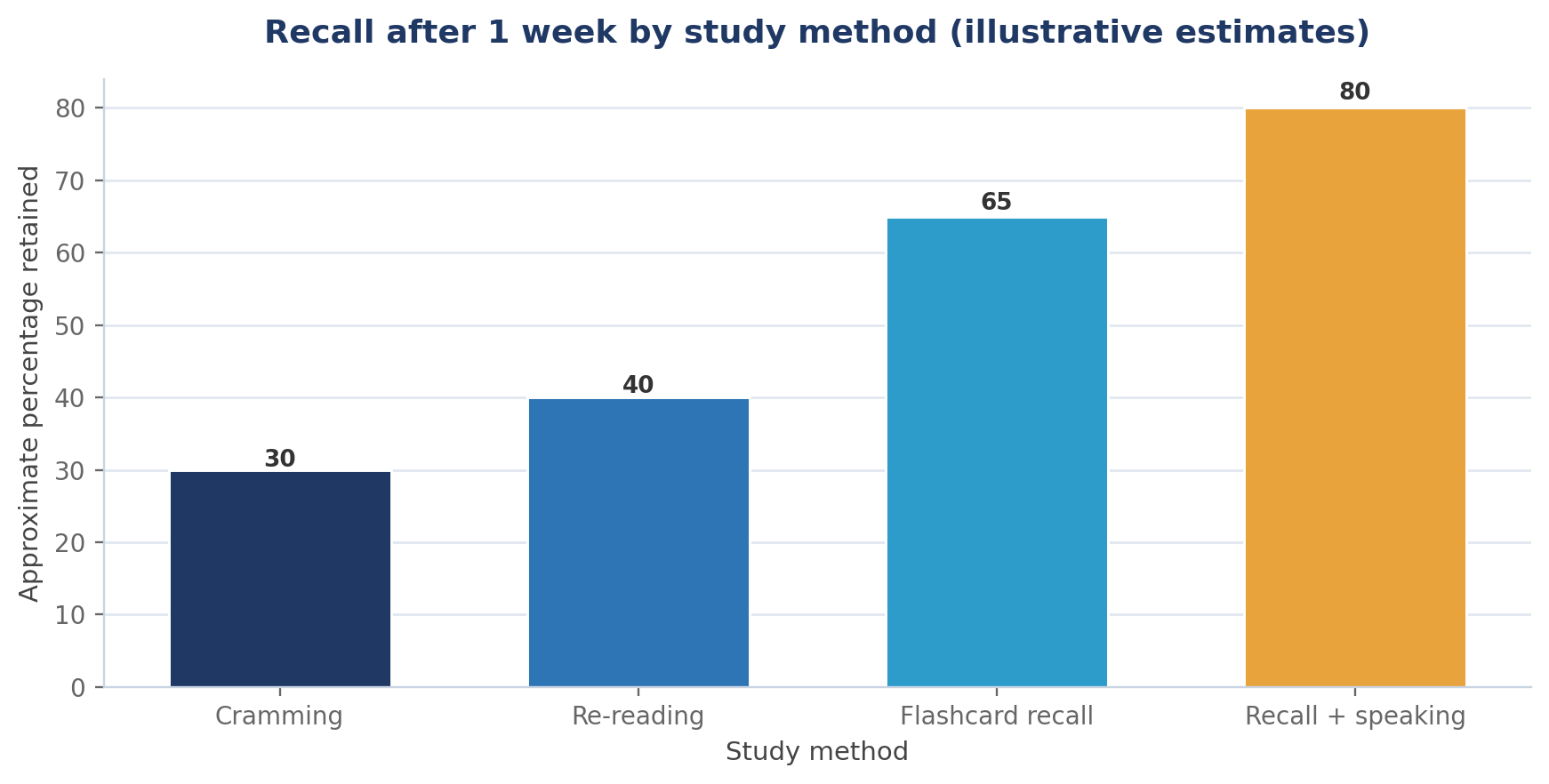
How to Remember Japanese Vocabulary (That Actually Sticks)
Learn how to remember Japanese vocabulary with spacing, mnemonics, and speaking practice that turn short-term cramming into long-term recall.
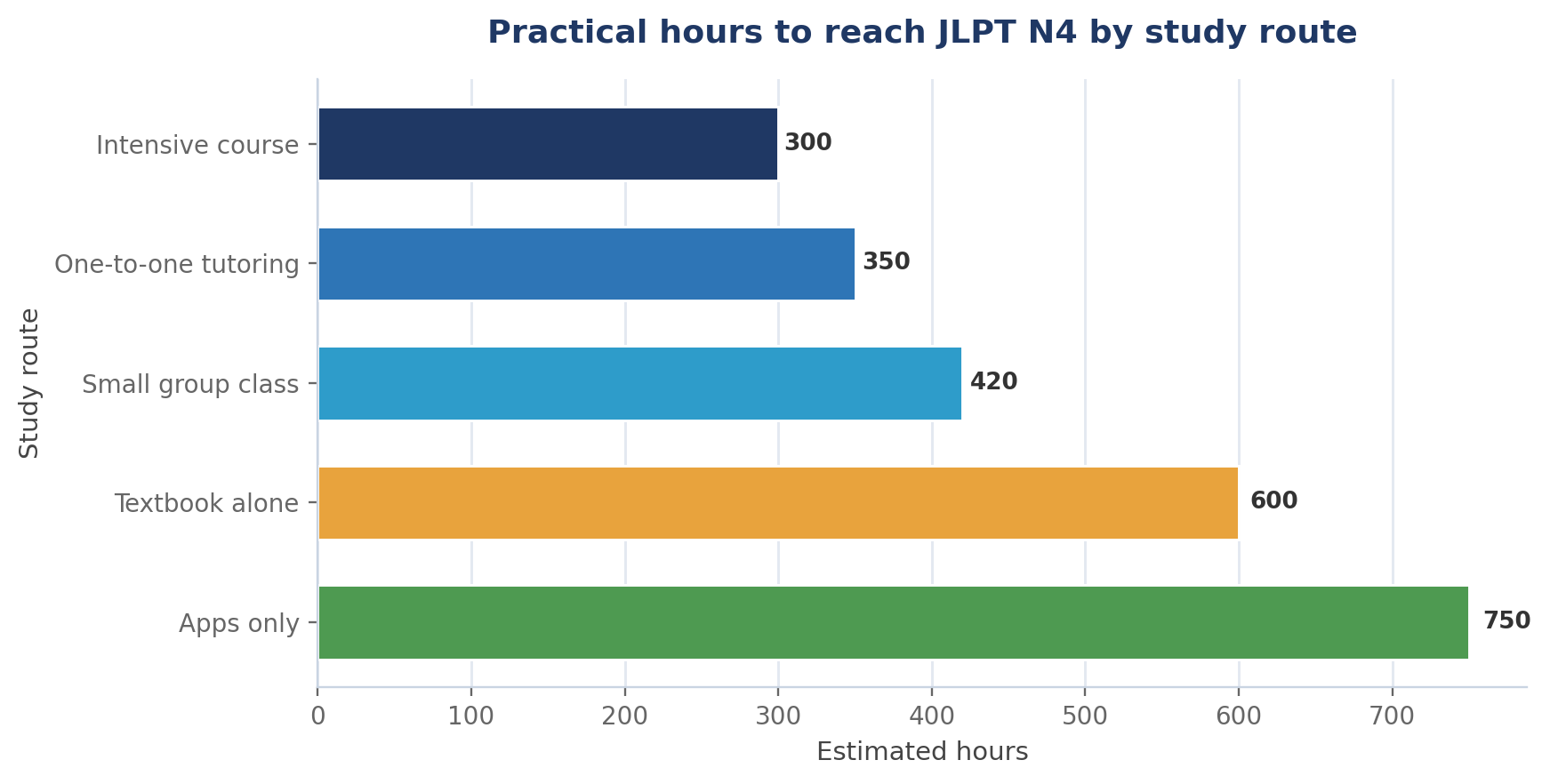
Is It Worth Paying for a Japanese Course in 2026?
Is a Japanese course worth it in 2026? Honest cost-per-hour maths, what free apps cannot teach, and who should pay — and who should not.
Moving to Spain: Your Spanish Language Checklist
Moving to Spain language checklist: the exact Spanish level each visa, job and office needs, the vocabulary for paperwork, and a 90-day plan.
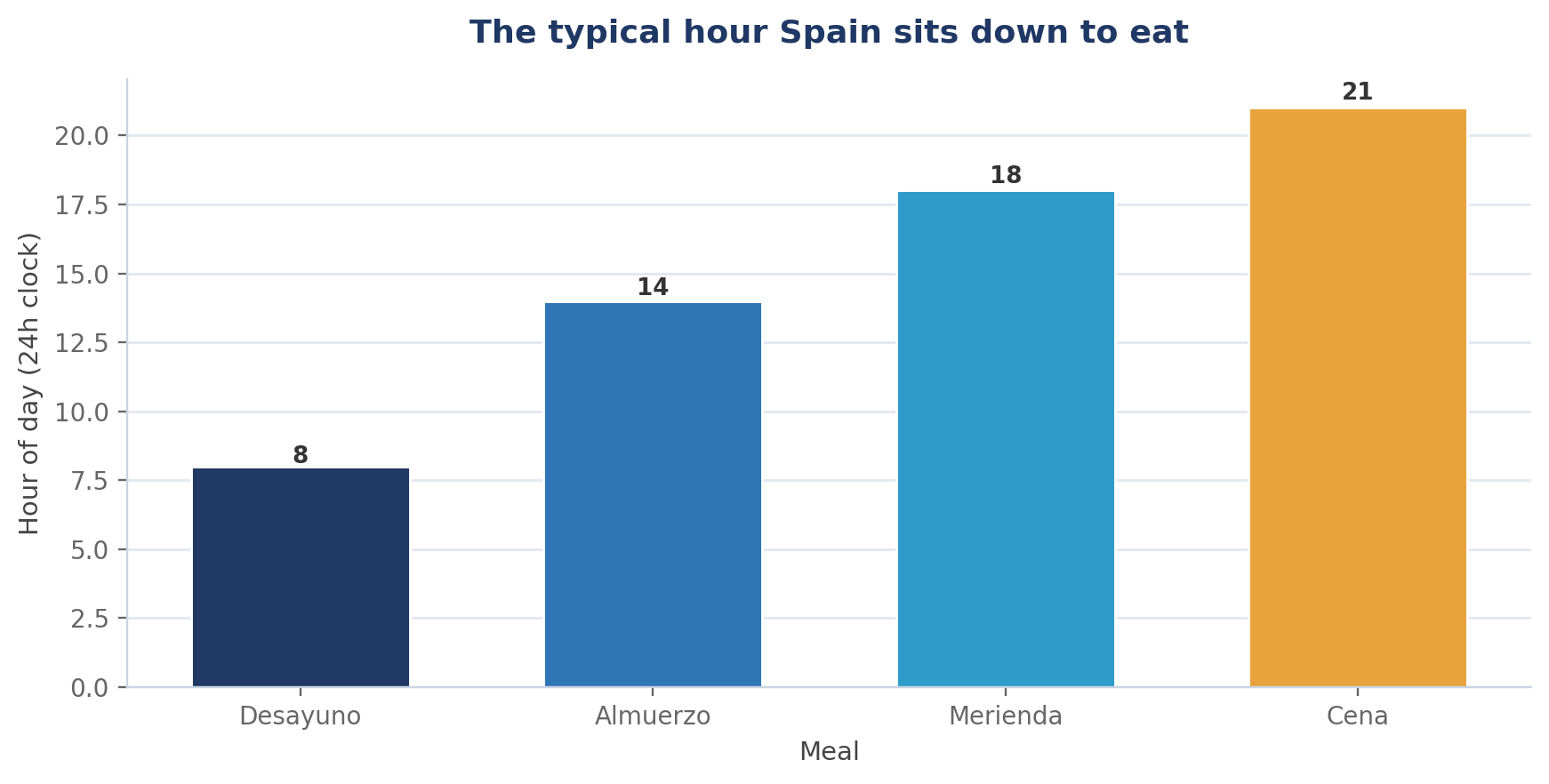
A Beginner's Guide to Food Culture in Spain
A beginner's guide to Spain food culture: real meal times, tapas rules, the menú del día, regional dishes and the exact phrases to order them.
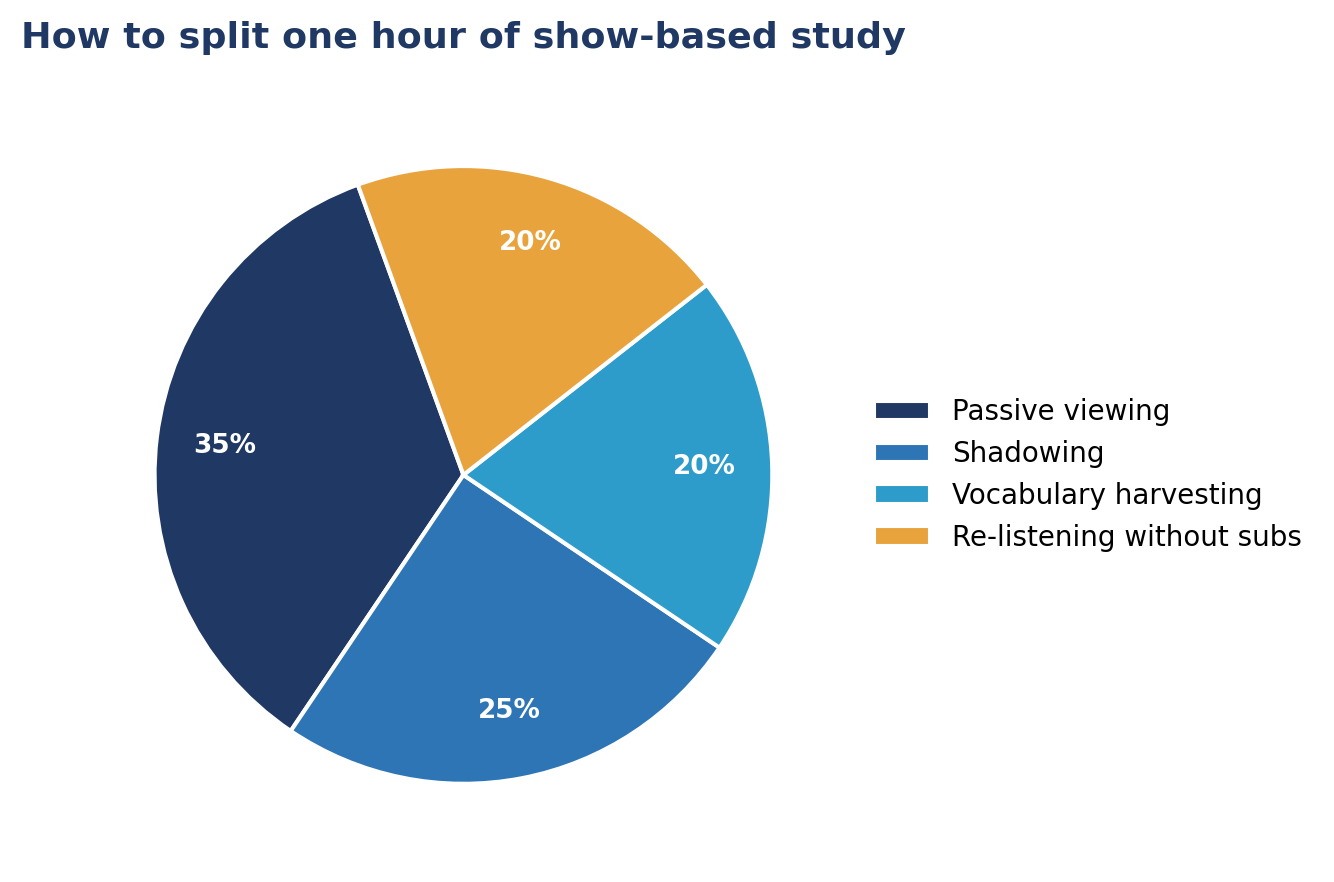
Japanese Shows and Movies to Learn the Language
The best Japanese shows to learn from, sorted by JLPT level, plus the three-pass method that turns 22 minutes of drama into real listening gain.
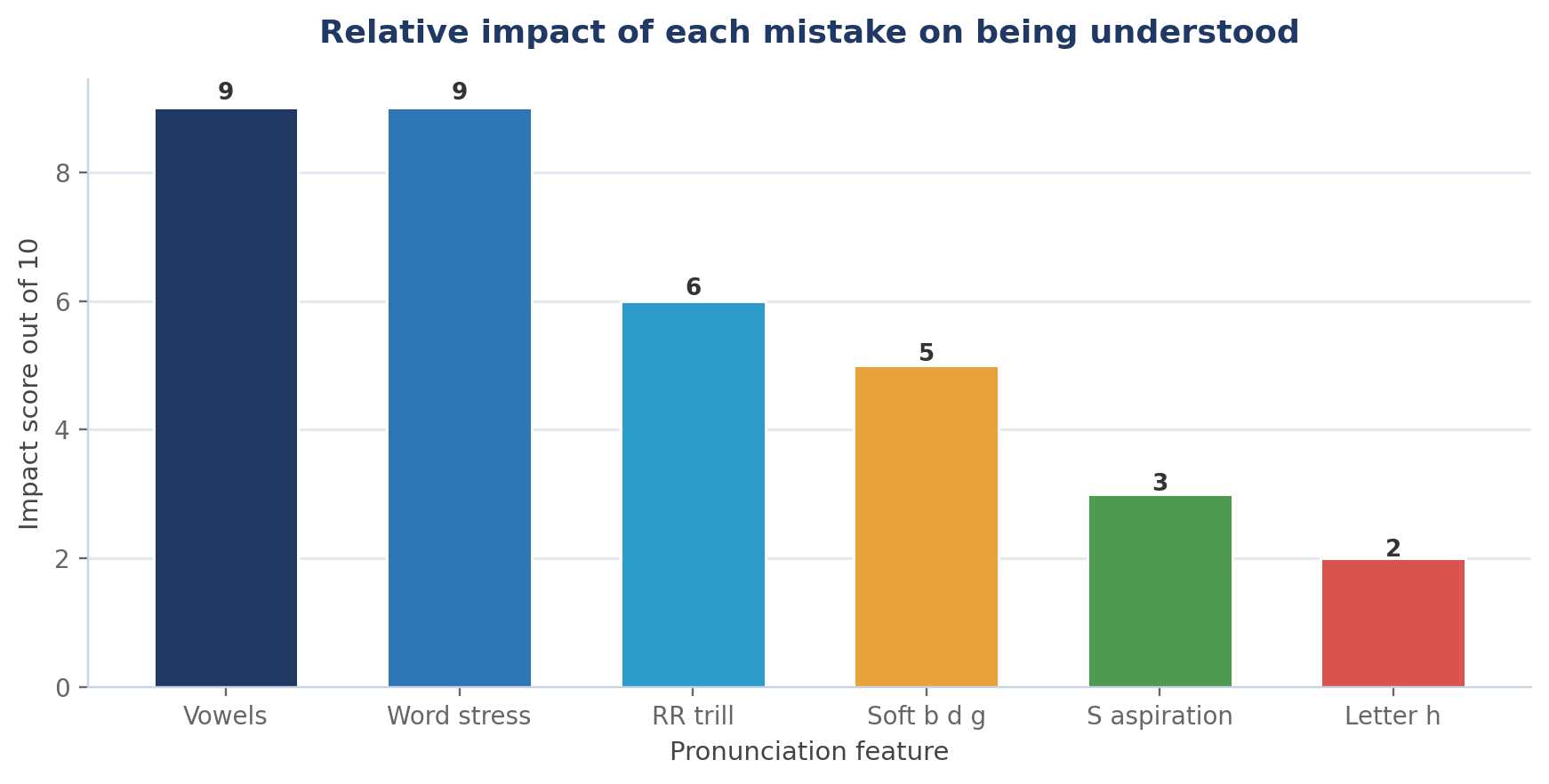
Common Spanish Pronunciation Mistakes and How to Fix Them
The most common Spanish pronunciation mistakes, fixed one by one — vowels, the rr trill, b d g softening, stress and linking, with before-and-after examples.
How to Stay Motivated While Learning a Language
Motivation fades — everyone's does. Here's how to keep going when it does, and build a routine that doesn't rely on willpower.
How to Remember Vocabulary: The Science of Spaced Repetition
Why do you forget words so fast — and how do you make them stick? The answer is spaced repetition. Here's how to use it.
How to Learn a Language in 30 Days: A Realistic Plan
You won't be fluent in a month — but 30 focused days can take you from zero to real conversations. Here's a day-by-day framework.
How to Build a Daily Language Study Habit That Lasts
Consistency beats intensity in language learning. Here's how to make daily practice automatic — so it survives busy weeks.
How to Learn Two Languages at the Same Time
Learning two languages at once is possible — if you do it strategically. Here's how to avoid mixing them up and burning out.
Immersion at Home: 12 Ways to Surround Yourself with a Language
You don't need to move abroad to get immersion. Here are 12 simple ways to fill your day with the language you're learning.
How to Overcome the Fear of Speaking a New Language
The fear of speaking holds back more learners than any grammar point. Here's how to get past it and start talking.
How to Practise Speaking a Language When You're Alone
No partner, no problem. Here are proven ways to build real speaking skills entirely on your own.
How to Improve Your Pronunciation in Any Language
Good pronunciation makes you easier to understand and more confident. Here's how to improve it in any language.
Language Apps vs a Real Course: Which Actually Works?
Apps are fun and convenient — but do they get you speaking? Here's an honest look at apps vs a real structured course.
AI Language Tutor vs Traditional Classes: Which Is Better?
Classes have a teacher; AI tutors are available any time. Here's how they compare — and which suits how you learn.
Is It Worth Paying for a Language Course in 2026?
There's a lot of free content out there. So is a paid course worth it? Here's an honest answer — and when free is actually fine.
Self-Study vs a Guided Course: Which Should You Choose?
Go it alone, or follow a guided course? Both can work. Here's how to choose based on how you actually learn.
The Surprising Benefits of Learning a Language
Beyond travel and jobs, learning a language changes your brain, your confidence and the way you see the world. Here's how.
The Best Languages to Learn in 2026
Which language is worth your time? Here's a practical look at the best languages to learn in 2026 — for jobs, travel and opportunity.
How Much of a Language Do You Need to Travel?
You don't need to be fluent to travel well. Here's exactly how much of a language makes a real difference on a trip.
How to Pass the DELF B2: A Complete 2026 Guide
The DELF B2 proves upper-intermediate French for universities and visas. Here's the format, scoring and a study plan that works.
How to Pass the DELE B1: A Complete 2026 Guide
The DELE B1 is Spain's official intermediate Spanish certificate. Here's the format and a plan to pass each of the four tests.
How to Pass the JLPT N5: A Complete Beginner's Guide
The JLPT N5 is the entry point to certified Japanese. Here's what it tests and how to prepare for your first Japanese exam.
How to Pass TOPIK I: A Complete Beginner's Guide
TOPIK I certifies beginner Korean (levels 1–2) and is used for scholarships and study. Here's how to prepare.
How to Pass HSK 3: A Complete Guide
HSK 3 marks the step into real Chinese communication. Here's the format and how to prepare for all three sections.
How to Pass the CILS B1: A Complete Guide
The CILS B1 certifies intermediate Italian for study, work and the long-stay residence requirement. Here's how to prepare.
telc Deutsch B1: Exam Format and How to Prepare
telc Deutsch B1 is a popular, practical German certificate for work and residence. Here's the format and a focused study plan.
IELTS vs TOEFL: Which English Exam Should You Take?
IELTS or TOEFL? They test the same English but in different styles. Here's how to choose the right one for your goal.
How Long Does It Take to Reach B1 in a New Language?
B1 is the level where a language becomes genuinely useful. Here's a realistic timeline — and what actually speeds it up.
A1 vs A2: What's the Difference Between Beginner Levels?
A1 and A2 are both 'beginner' — so what changes between them? Here's exactly what you can do at each, and how to know you've moved up.
How to Test Your Language Level for Free
Not sure if you're A1, A2 or B1? Here's how to find your CEFR level without paying for an exam — and what to do with the result.
100 Essential French Phrases Every Beginner Should Know
The French phrases you'll actually use — greetings, politeness, getting around, eating out and emergencies — with pronunciation tips.
100 Essential Spanish Phrases for Travel
Heading to a Spanish-speaking country? These are the phrases that make travel smoother — greetings, directions, food and emergencies.
Essential Japanese Phrases for Your First Trip to Japan
Visiting Japan? A few polite phrases go a long way. Here are the essentials — with the manners that matter.
German Numbers 1–100: How to Count in German
Numbers are among the first things you need in any language. Here's how German numbers work — including the quirk that trips everyone up.
Common Korean Phrases You'll Hear in K-Dramas
If K-dramas got you into Korean, you've already heard these phrases dozens of times. Here's what they mean — and how to use them.
German Cases Made Simple: Nominative, Accusative, Dative, Genitive
The four German cases scare off more beginners than anything else. Here's the plain-English version that finally makes them click.
French Passé Composé vs Imparfait: When to Use Each
French has two main past tenses, and choosing between them trips up every learner. Here's the simple rule that makes it clear.
Spanish Ser vs Estar: The Two 'To Be' Verbs Explained
Spanish has two verbs for 'to be', and picking the right one confuses every beginner. Here's the simple framework that sorts it out.
Japanese Particles Explained: wa, ga, o, ni, de
Particles are the glue of Japanese grammar. Master these five and most sentences suddenly make sense.
Chinese Tones and Pinyin: A Beginner's Guide
Tones are the one skill every Mandarin beginner must build early. Here's what the four tones are and how to master them with pinyin.
Korean Hangul: How to Read and Write It in a Day
Hangul is often called the most logical alphabet ever invented — and you really can learn to read it in a day. Here's how.
Italian Articles Explained: il, lo, la, i, gli, le
Italian has more 'the' words than English — but a few simple rules tell you exactly which to use. Here's the clear version.
Dutch: De or Het? How to Know Which Article to Use
'De' or 'het' is the question every Dutch learner asks. Here are the patterns that help you guess right far more often.
English Tenses Explained Simply (with Examples)
English tenses feel overwhelming until you see the logic. Here's the whole system explained simply, with examples for each.
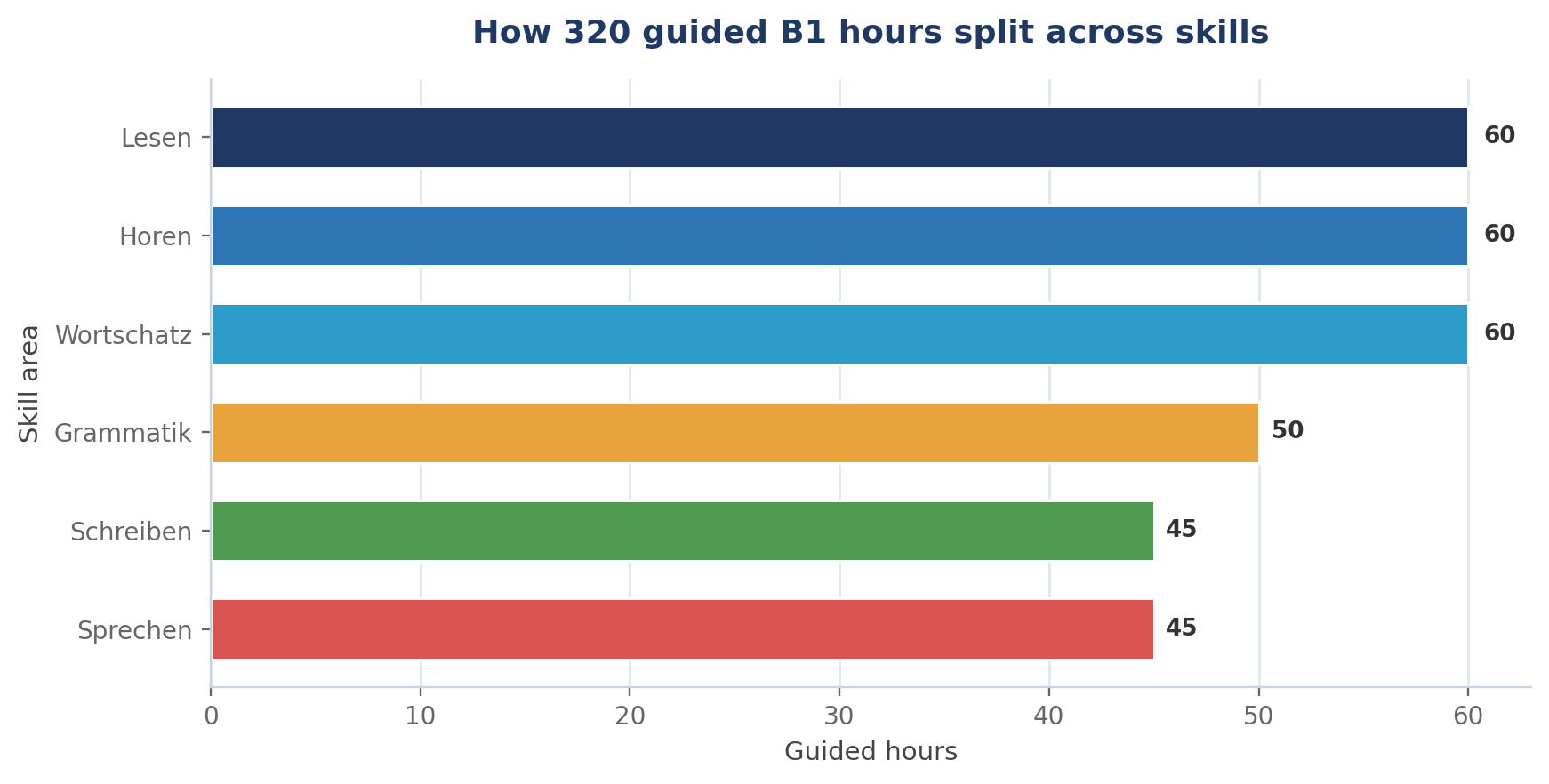
How Many Hours of Study Do You Need for Goethe-Zertifikat B1?
How many Goethe-Zertifikat B1 study hours do you really need? Honest hour bands, a weekly time budget and a 12-week countdown plan that works.
How to Learn French from Scratch: A Beginner's Guide (2026)
A clear, realistic plan to go from zero French to confident everyday conversations — pronunciation, your first words, the grammar that matters, and an A1–B2 roadmap.
How to Learn Spanish from Scratch: A Beginner's Guide (2026)
Spanish is one of the most beginner-friendly languages to start. Here's a step-by-step plan from your first words to real conversations.
How to Learn Japanese from Scratch: A Beginner's Guide (2026)
Japanese feels like a different world at first — but with the right order (kana first!), it's far more approachable than it looks. Here's how to begin.
How to Learn Korean from Scratch: A Beginner's Guide (2026)
Thanks to K-culture, more people are learning Korean than ever. The best part: its alphabet, Hangul, can be read in a single day. Here's your starting plan.
How to Learn Chinese (Mandarin) from Scratch: A Beginner's Guide
Mandarin has more native speakers than any language on earth. With pinyin and tones first, and characters introduced gradually, it's more learnable than you'd think.
How to Learn Italian from Scratch: A Beginner's Guide (2026)
Italian is musical, phonetic and hugely rewarding. Here's a simple plan to go from your first 'Ciao' to real Italian conversations.
How to Learn Dutch from Scratch: A Beginner's Guide (2026)
Learning Dutch for life in the Netherlands? Here's a practical plan — including the inburgering path — from your first words to real conversations.
How to Improve Your English and Become Fluent (2026)
Already know some English but stuck below fluency? Here's how to break through — speaking confidence, vocabulary that sticks, and the habits that work.
How to Learn German from Scratch: A Complete Beginner's Guide (2026)
Starting German with zero knowledge? Here's a clear, realistic plan to go from your first 'Hallo' to confident everyday conversations — one lesson a day.
Why Learning a Language in Your Own Language Works Better
Most apps throw you into the deep end with no explanations. Here's why being taught in a language you already understand gets you speaking faster.
What Is CEFR? The A1–C2 Language Levels Explained
A1, A2, B1, B2, C1, C2 — what do these levels actually mean, and which one do you need for a visa, a job, or university? A plain-English guide.
How to Pass the Goethe-Zertifikat B1: A Complete 2026 Guide
Preparing for the Goethe-Zertifikat B1? Here's the exam format, how it's scored, a study plan, and the skills that make the difference on exam day.
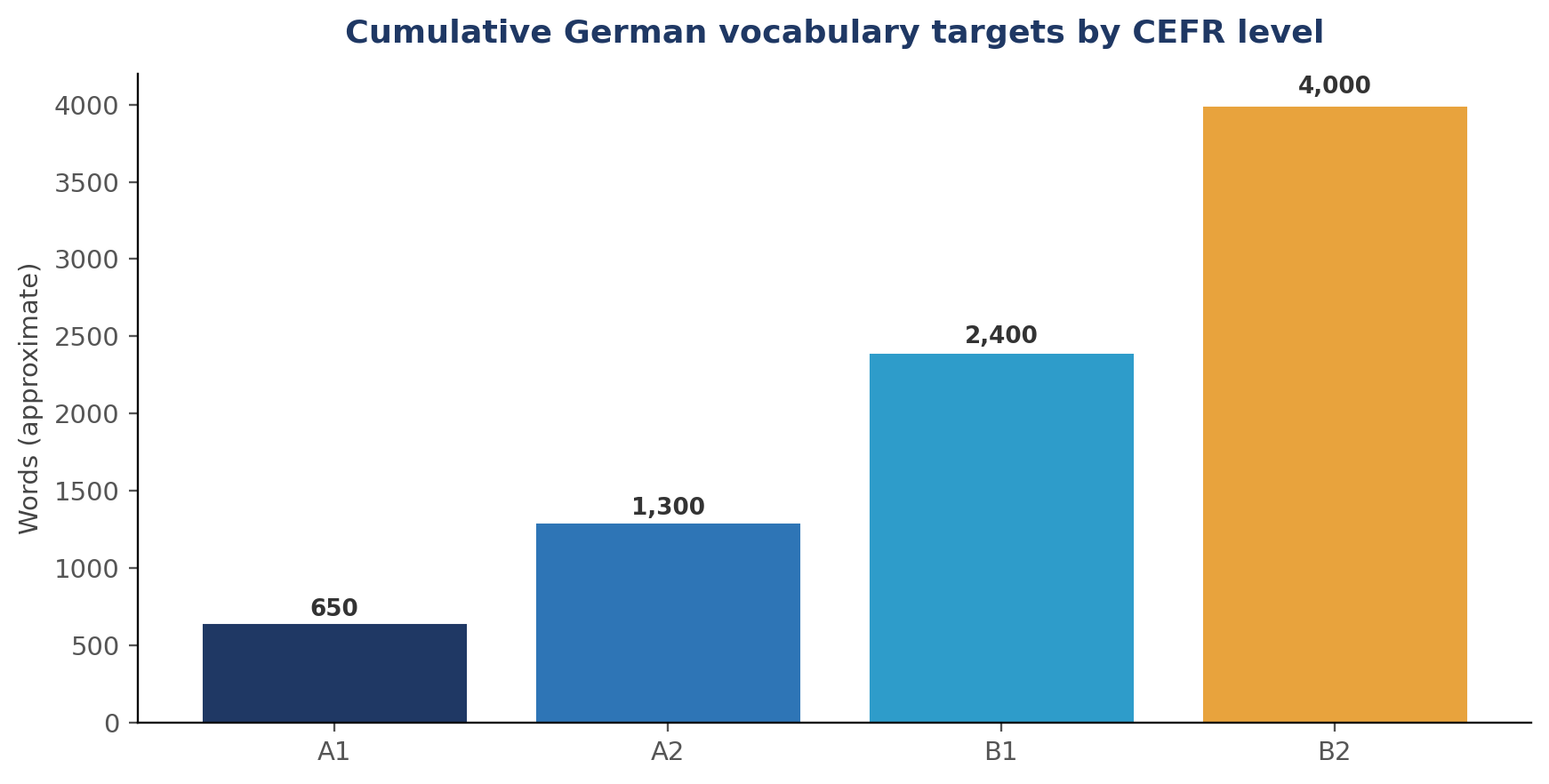
Essential German Vocabulary: Clothes & Colours (with Examples)
German vocabulary for clothes and colours with articles, plurals, colour endings and real shopping phrases you can use in any German shop.
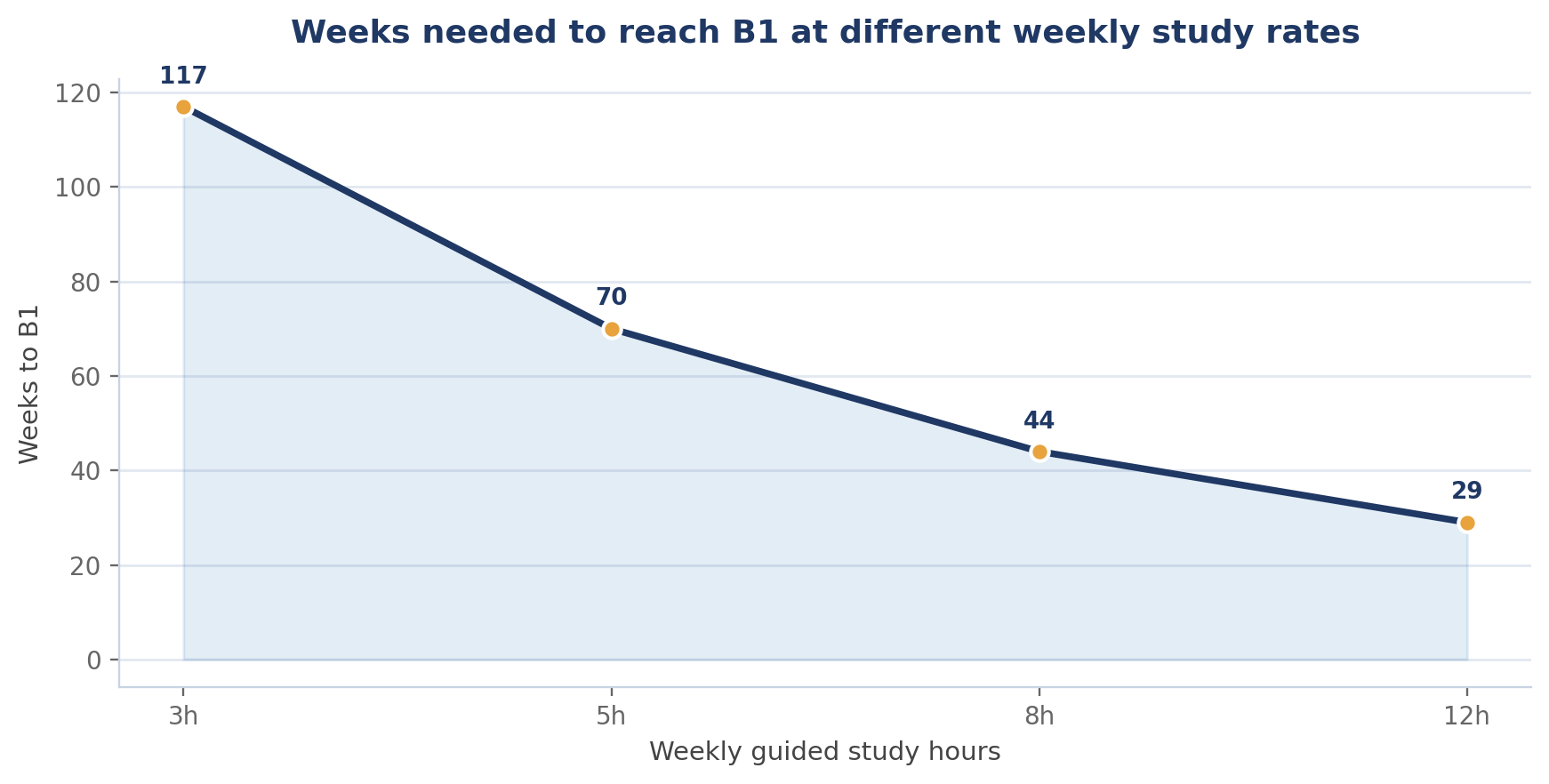
German Grammar: How to Use The future tense
German grammar: the future tense explained with werden conjugation, Futur II, word order rules and why the present tense usually wins.
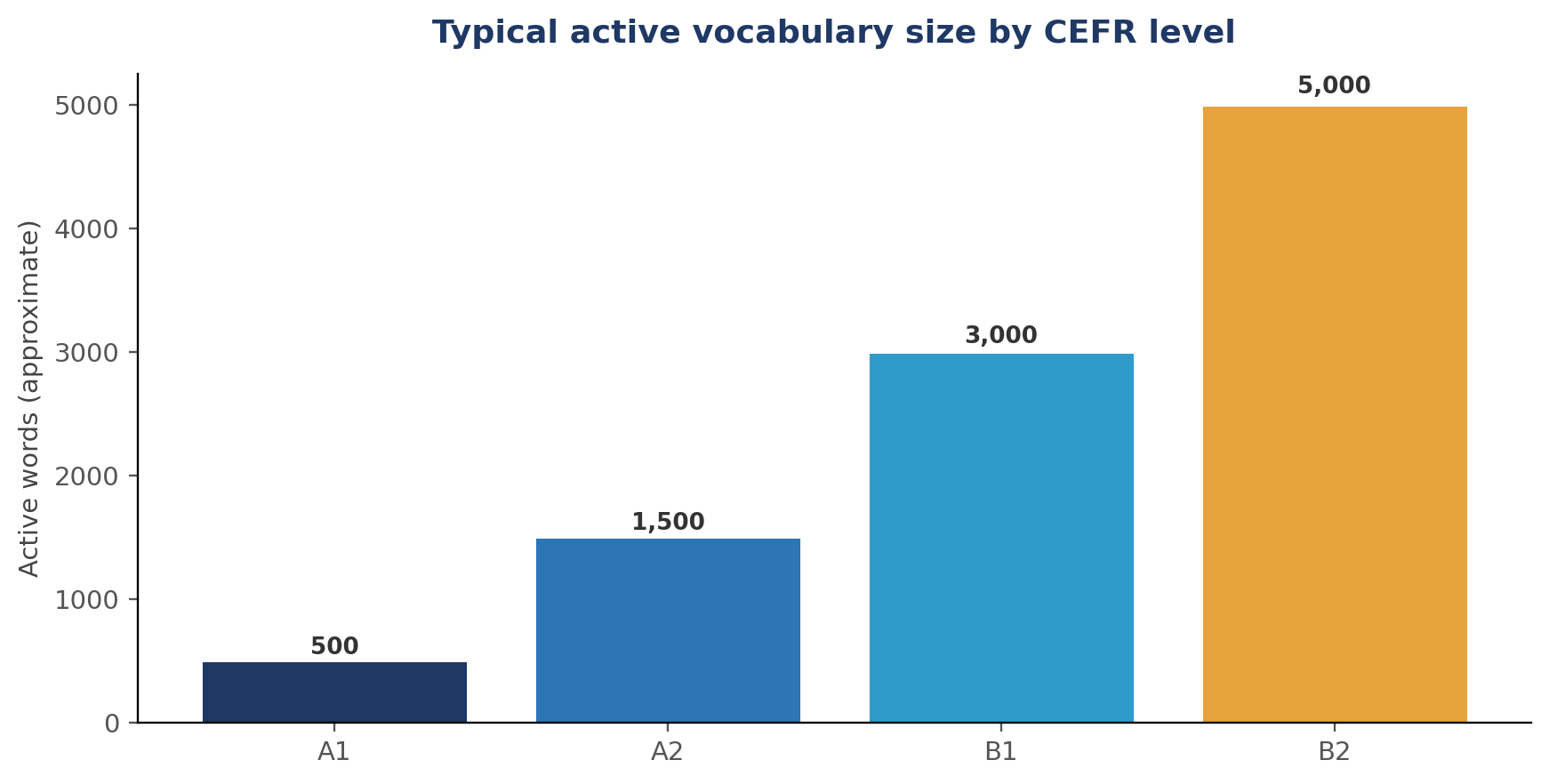
Spanish A2 Guide: What You Learn and How to Reach Elementary Spanish
Spanish A2 explained: exactly what you can do, the grammar you cover, DELE A2 exam format and how many hours it takes to get there.
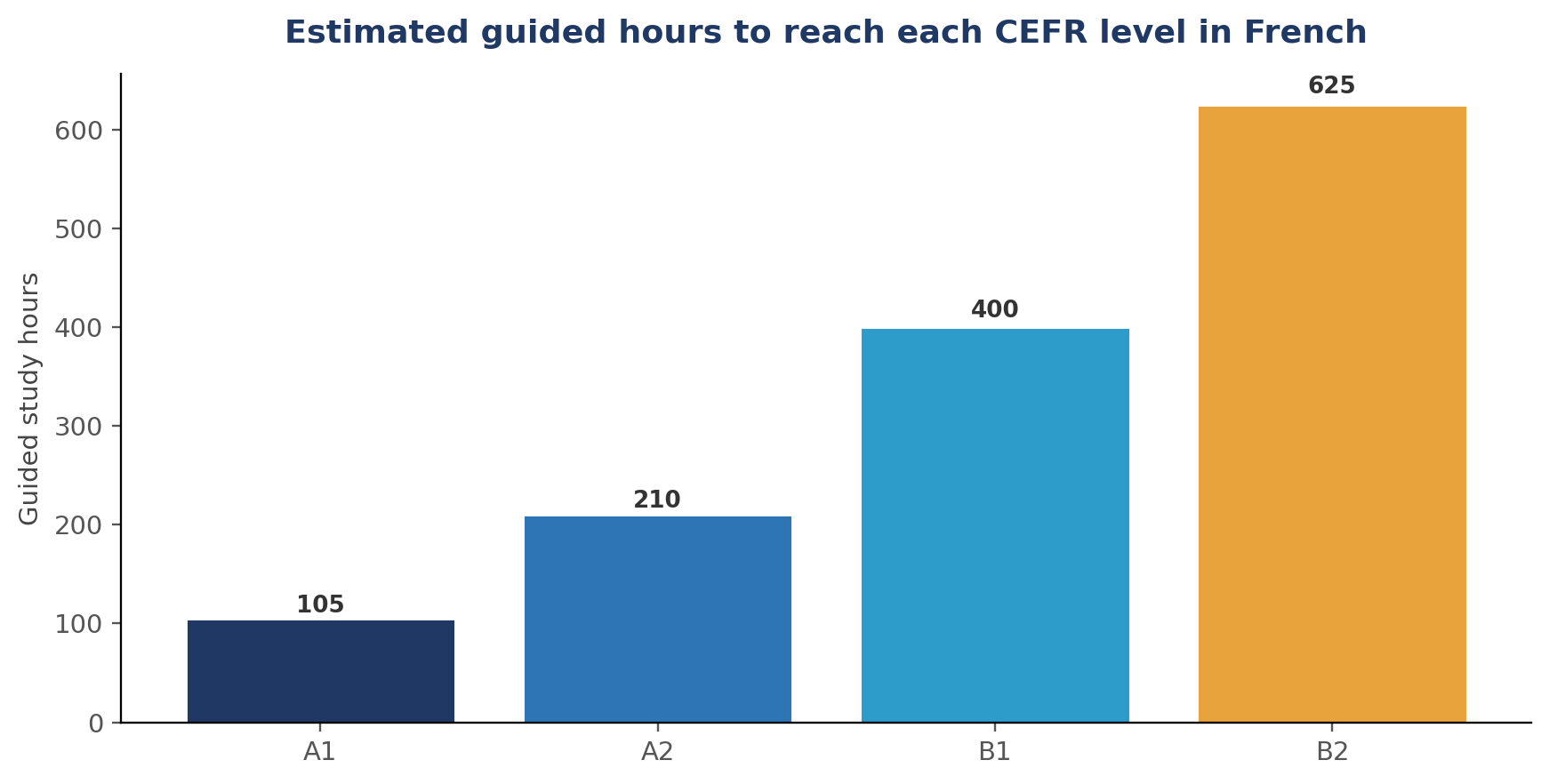
The Best Way to Learn French Online in 2026
The best way to learn french online in 2026: honest method comparison, CEFR timelines, a weekly plan and the tools that actually build speech.
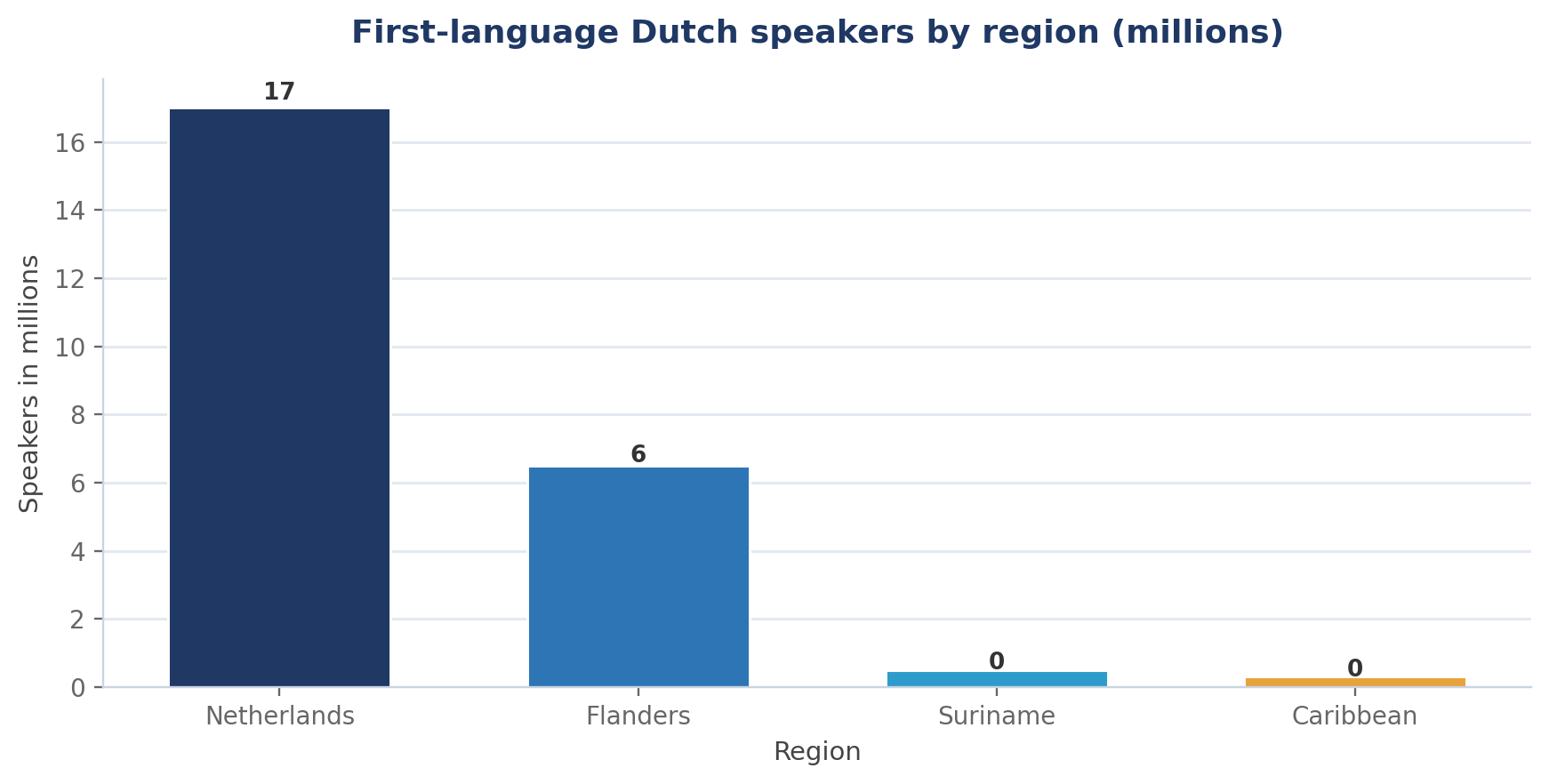
How to Teach Dutch to Kids (A Parent's Guide)
Teach dutch to kids without flashcards or tears: age-by-age routines, 40 household phrases, real Dutch children's resources and a weekly plan.
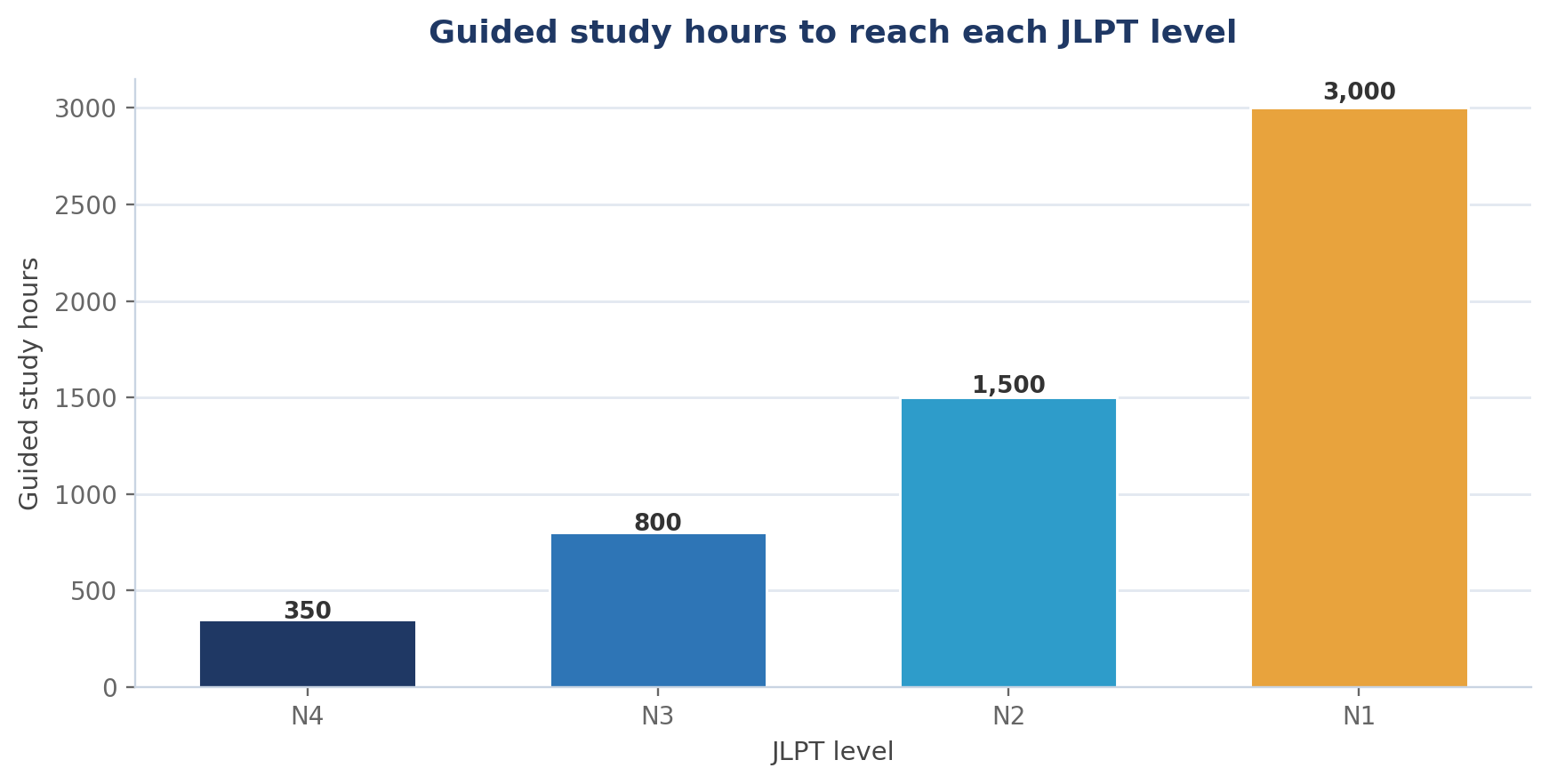
How to Write a Professional Email in Japanese
Write a japanese business email that lands: keigo basics, a copy-ready template, honorific rules and the mistakes that mark you as a beginner.
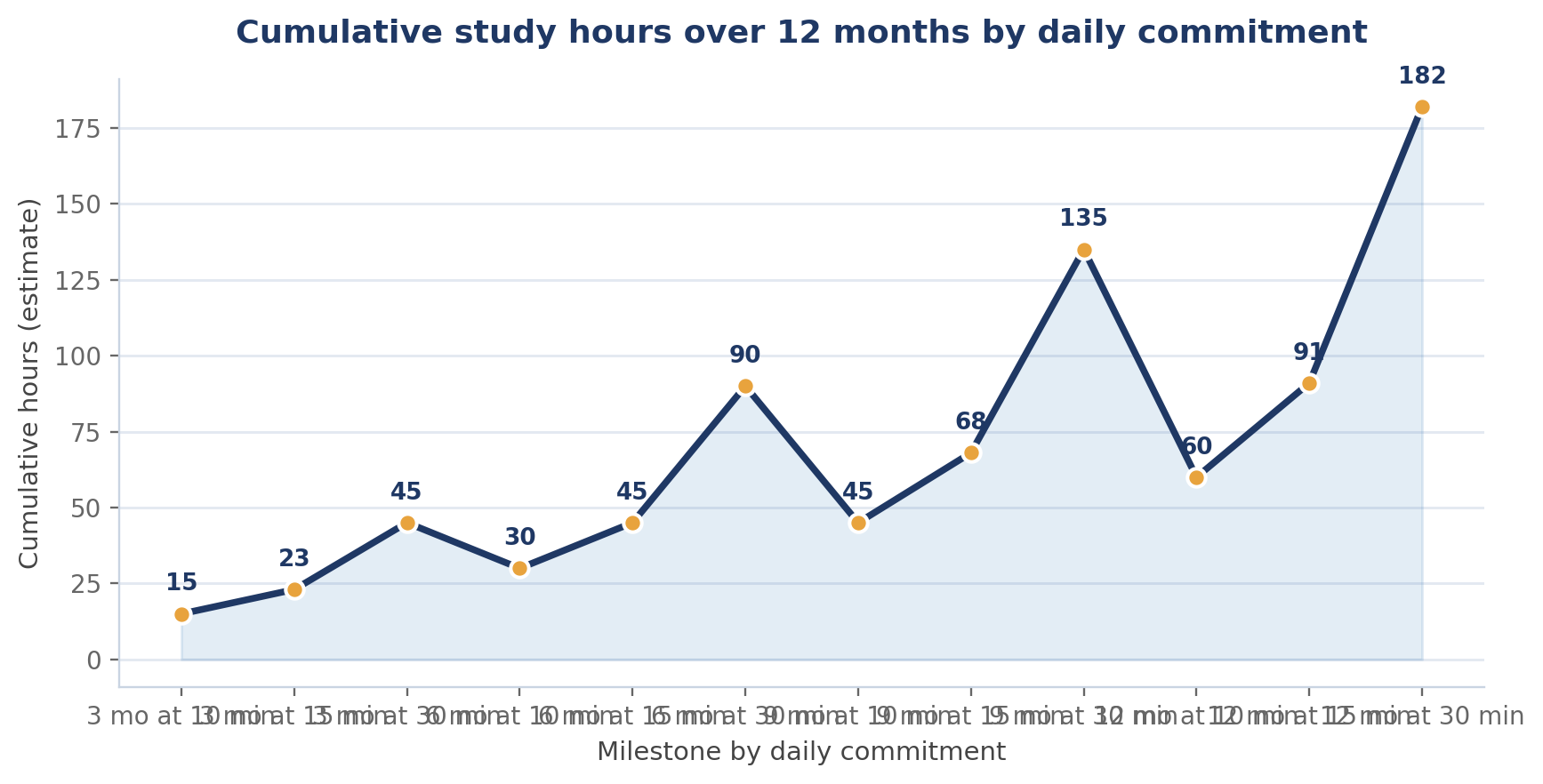
How to Build a Daily Japanese Study Habit
Build a daily Japanese study habit that survives real life: tiny minimums, habit stacking, a weekly rotation and honest recovery rules.
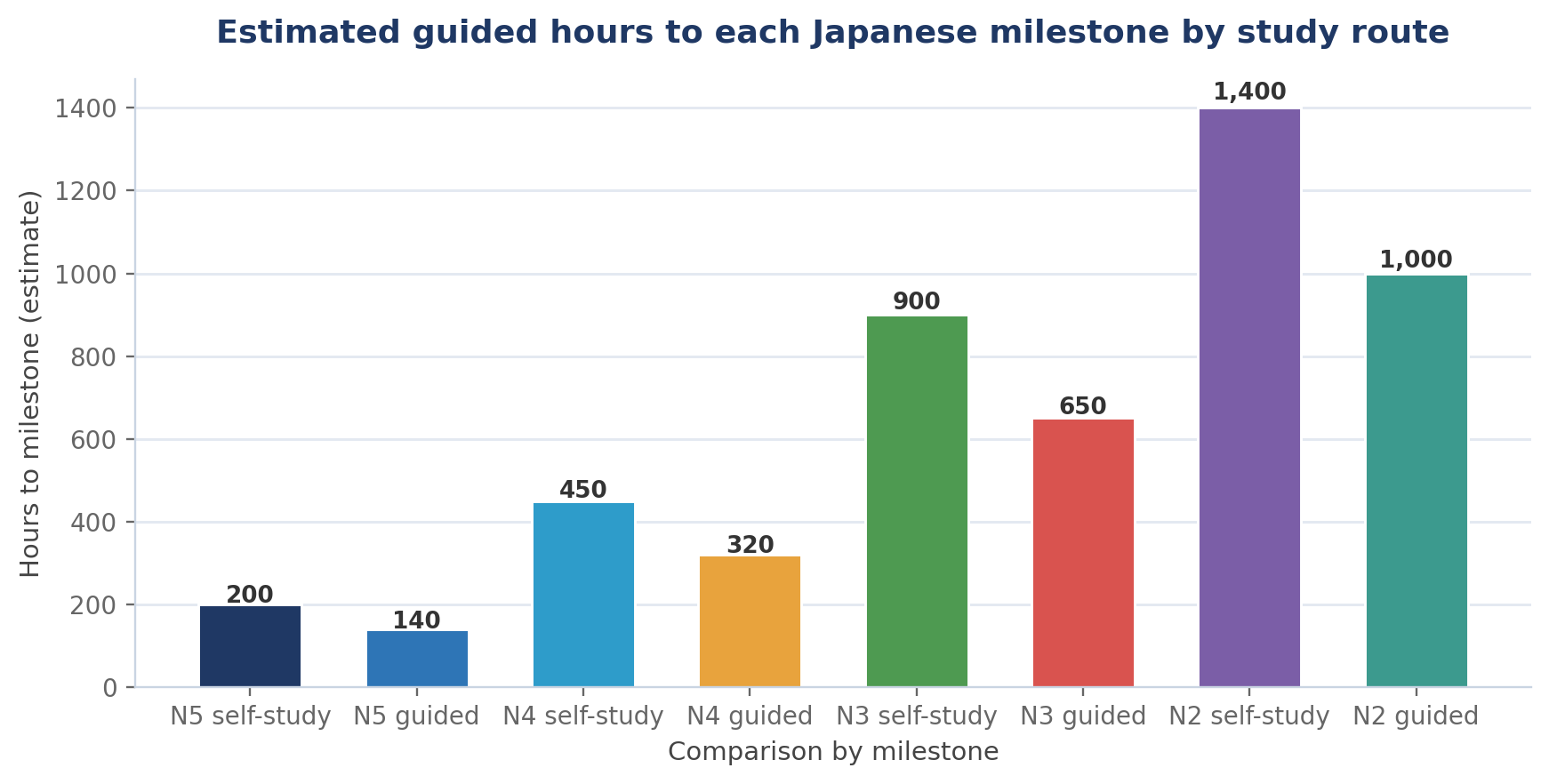
Self-Study vs a Guided Japanese Course: Pros and Cons
Self study vs course japanese: honest pros, cons, costs and completion risks for both routes, plus a hybrid plan that beats either one alone.
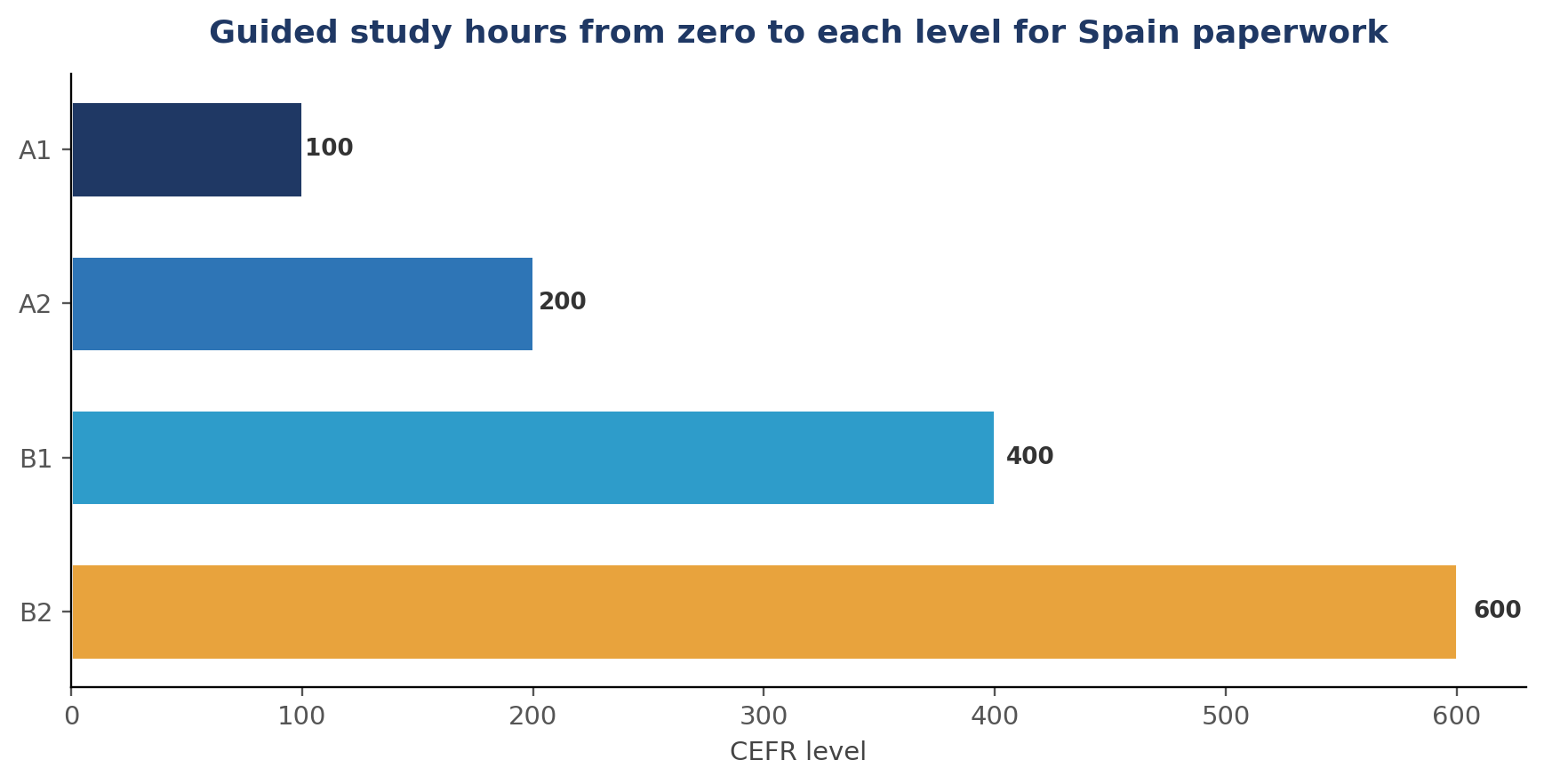
Spanish for the Spain Visa: What Level You Need
The real Spanish visa requirement for Spain: which routes ask for a level, which don't, and the DELE A2 plus CCSE rule behind Spanish nationality.
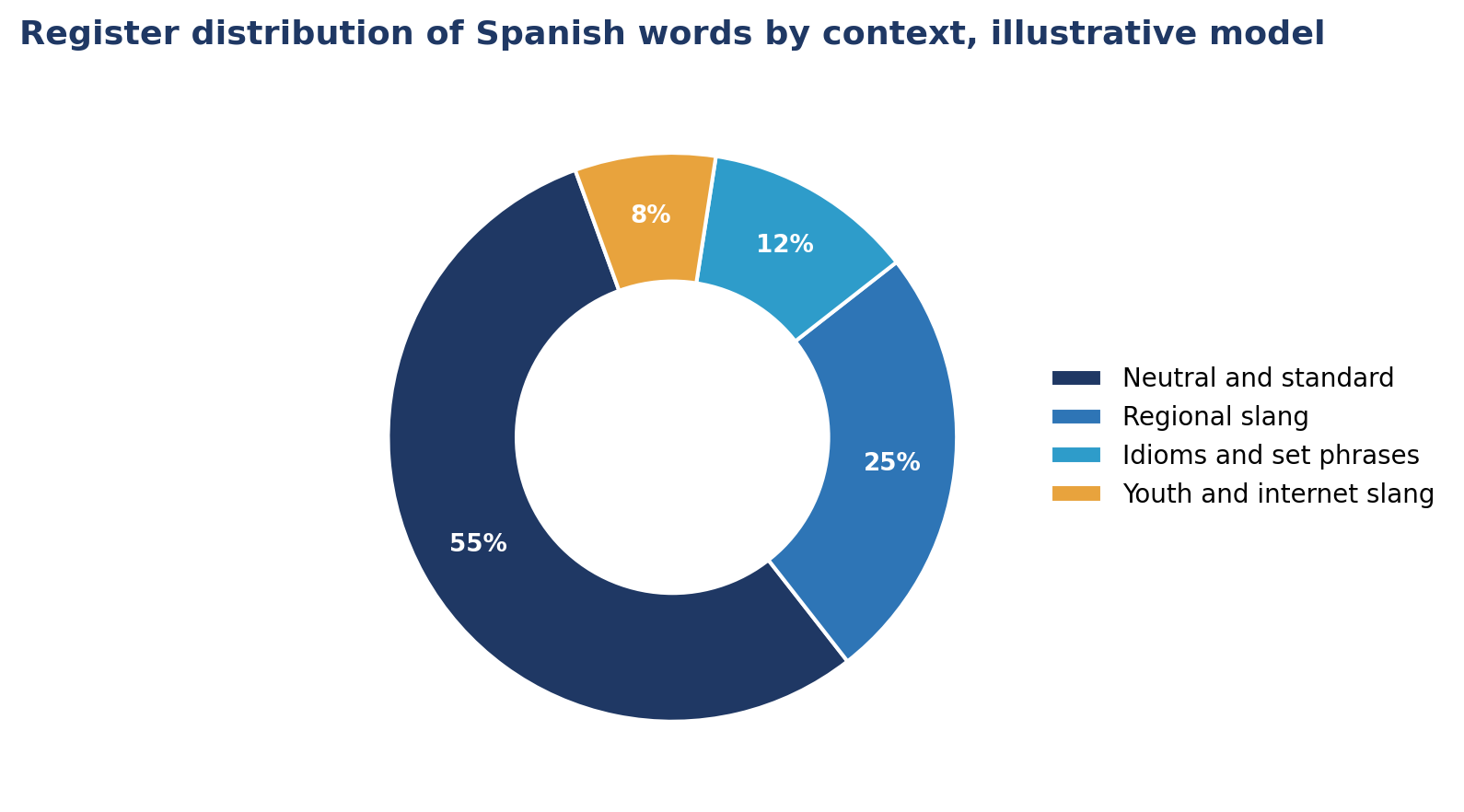
Spanish Slang and Expressions You Won't Learn in Textbooks
Spanish slang from Spain to Argentina explained with real examples, regional tables and the register rules textbooks skip. Sound local, not laminated.
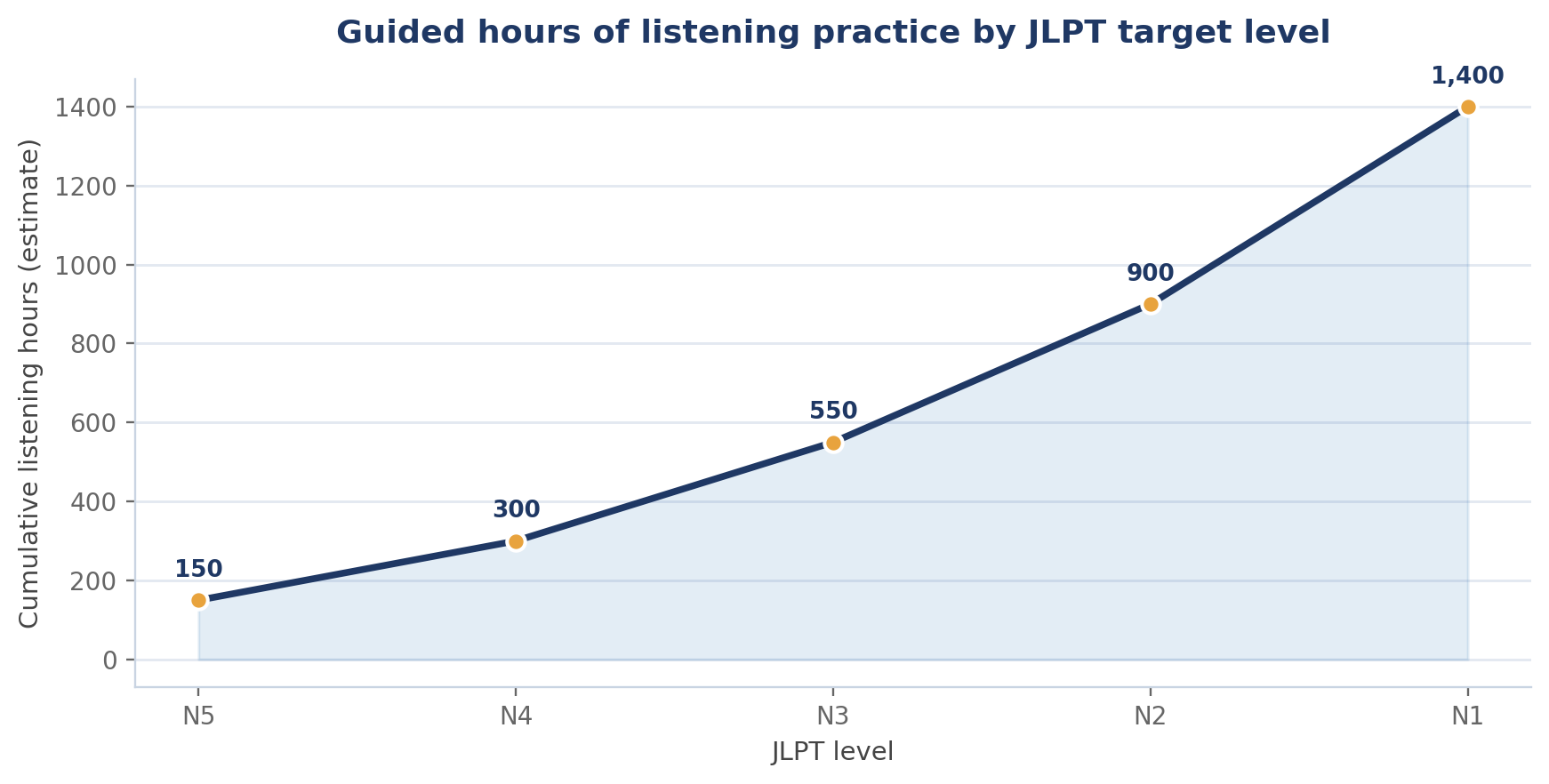
How to Improve Your Japanese Listening Skills
Improve Japanese listening with a staged plan: dictation, shadowing and pitch training for JLPT, anime and real conversation. Start hearing words, not noise.
How to Practise Speaking Spanish (Even Alone)
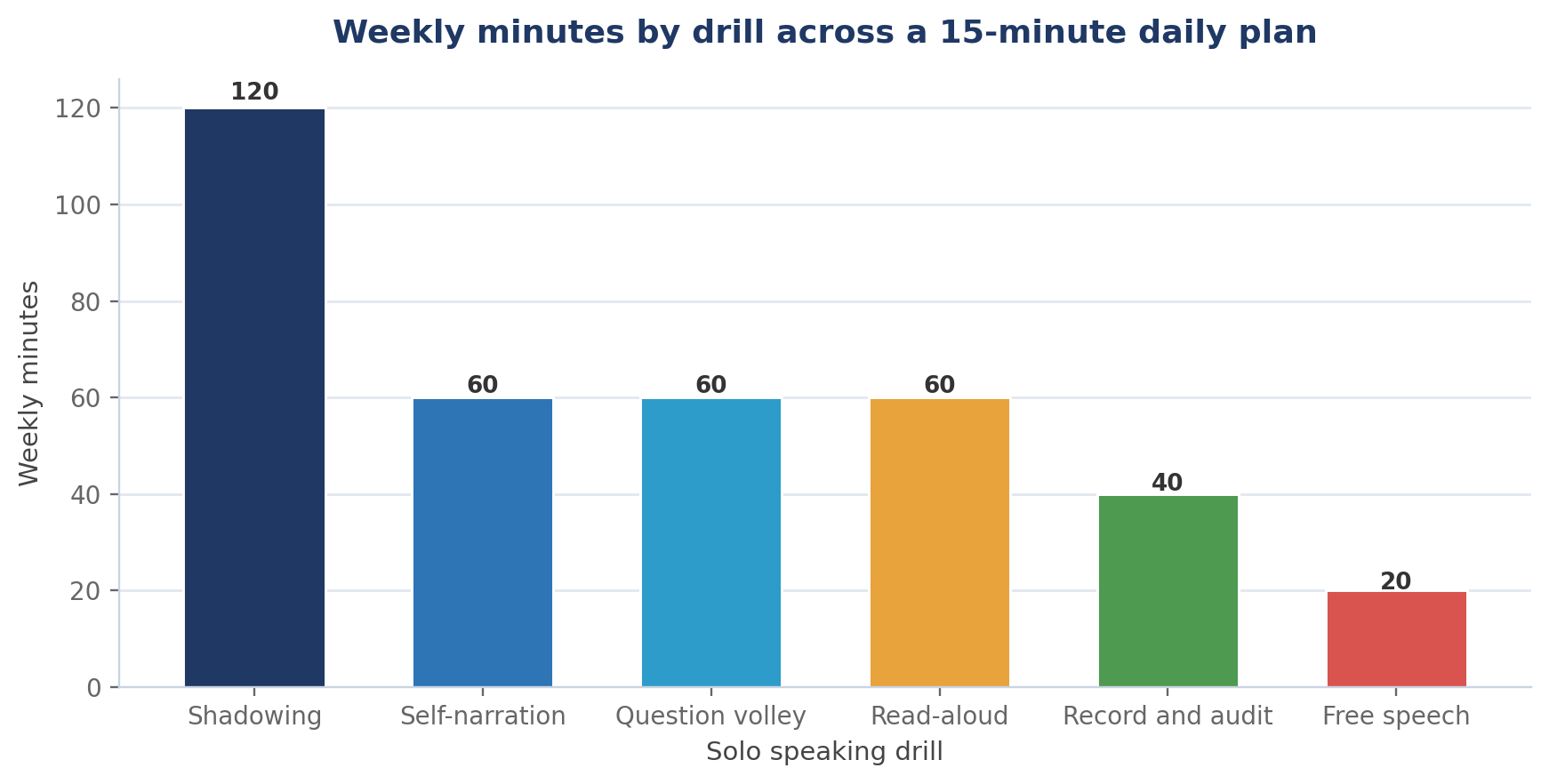
Learn how to practise speaking Spanish alone with five proven drills, a weekly routine and honest benchmarks for when you need a real conversation partner.
Common Mistakes to Avoid in the Goethe-Zertifikat B1
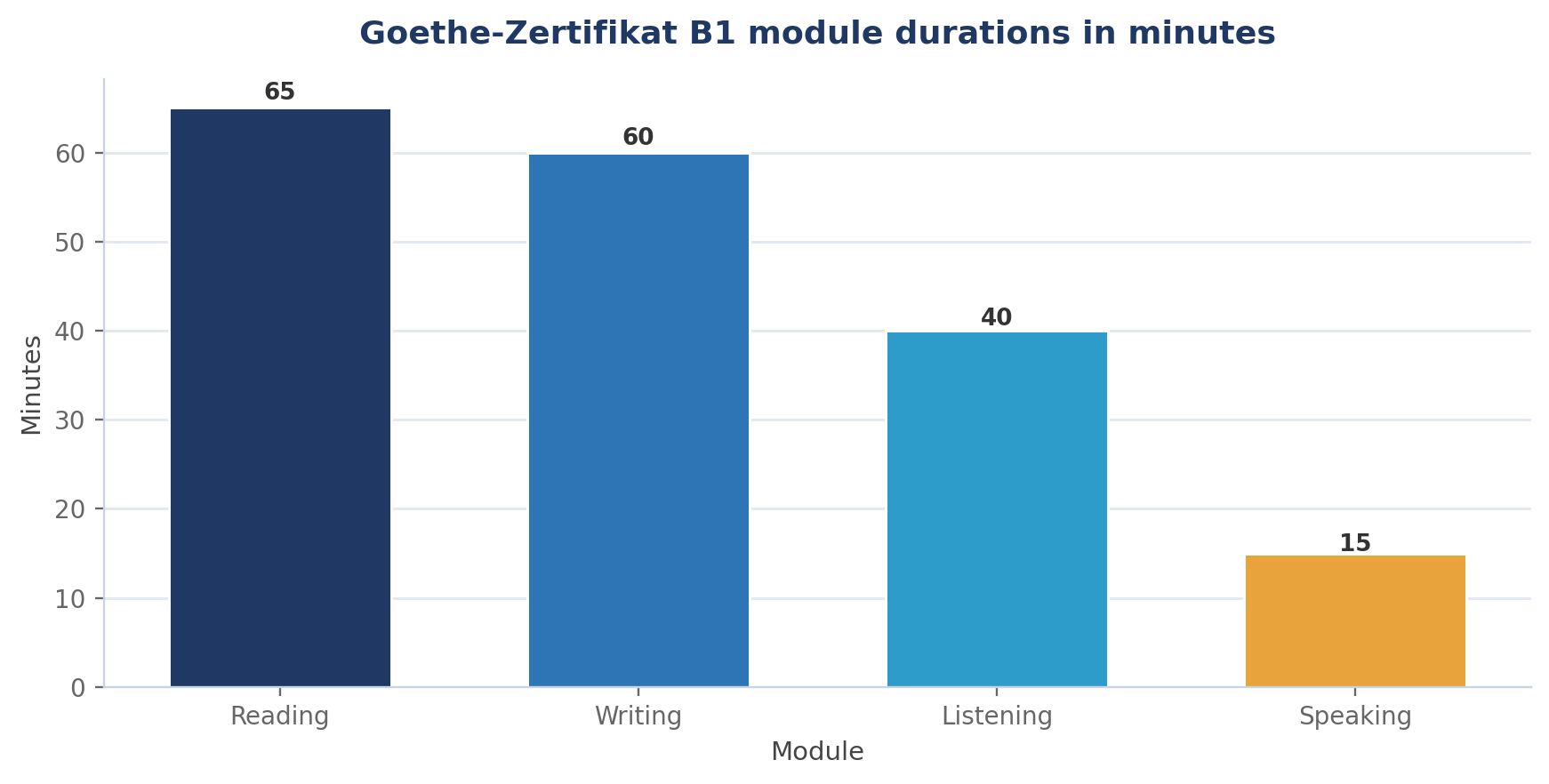
The Goethe-Zertifikat B1 mistakes that cost candidates marks in writing, speaking and listening — plus a four-week plan to fix them before exam day.
Essential German Vocabulary: Home and Furniture (with Examples)
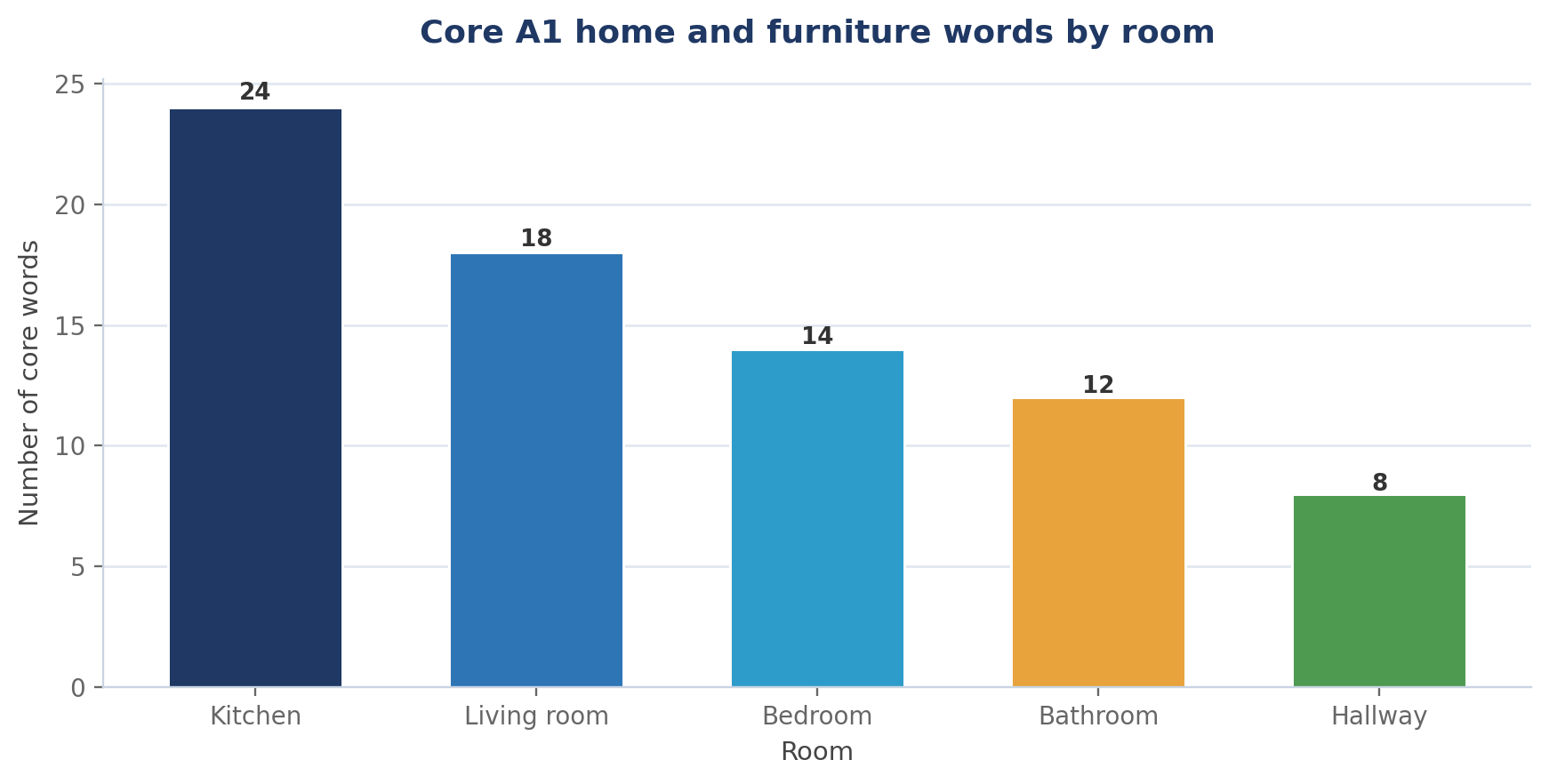
German vocabulary for home and furniture, room by room, with articles, plurals and example sentences. Learn the words you will use in your first conversation.
German Grammar: How to Use Dative and Accusative Pronouns
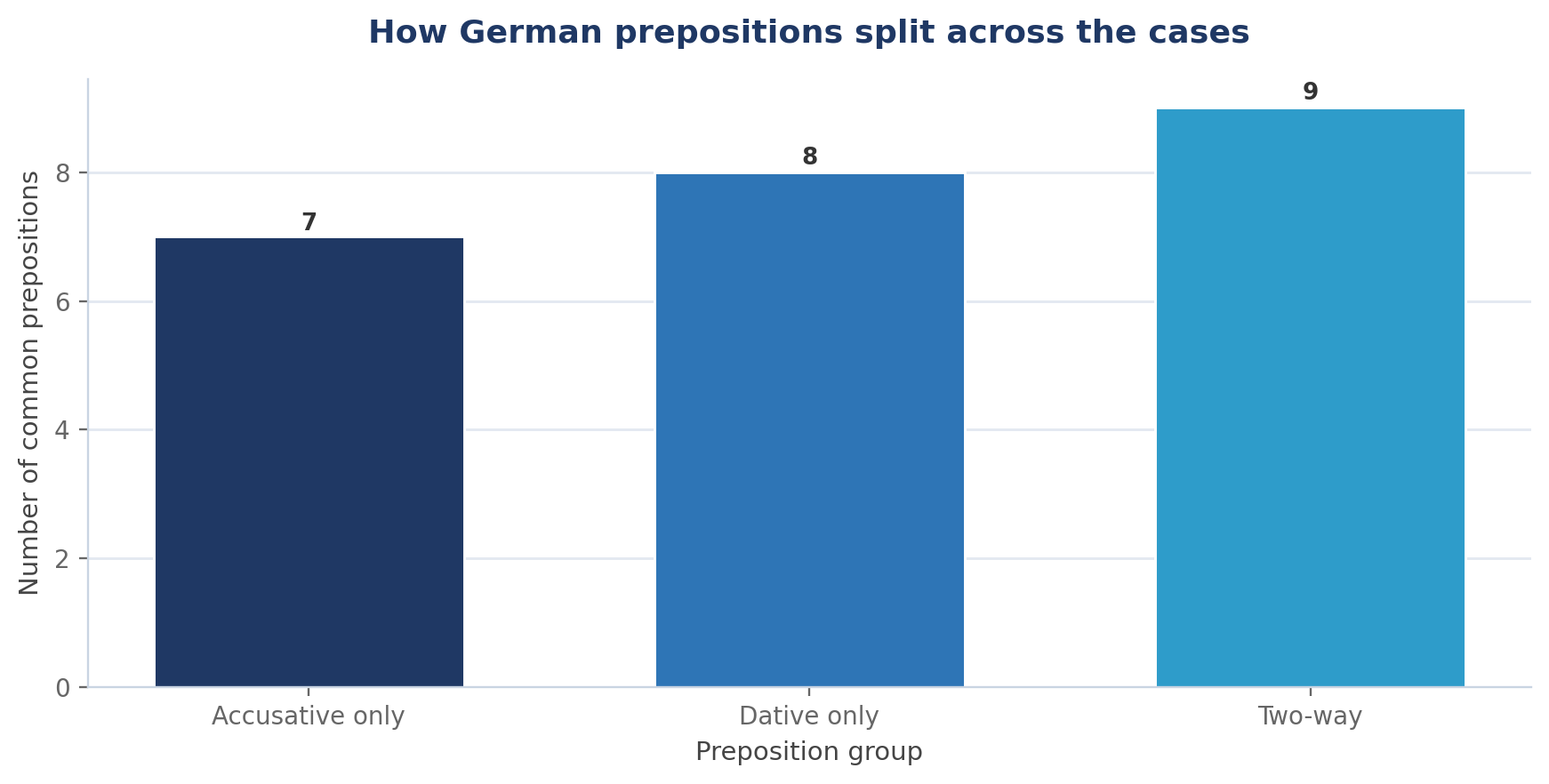
Dative and accusative pronouns in German stop being a mystery once you know who acts and who receives. Get the full chart, dative verbs and practice patterns.
Spanish A1 Guide: What You Learn and How to Reach Beginner Spanish
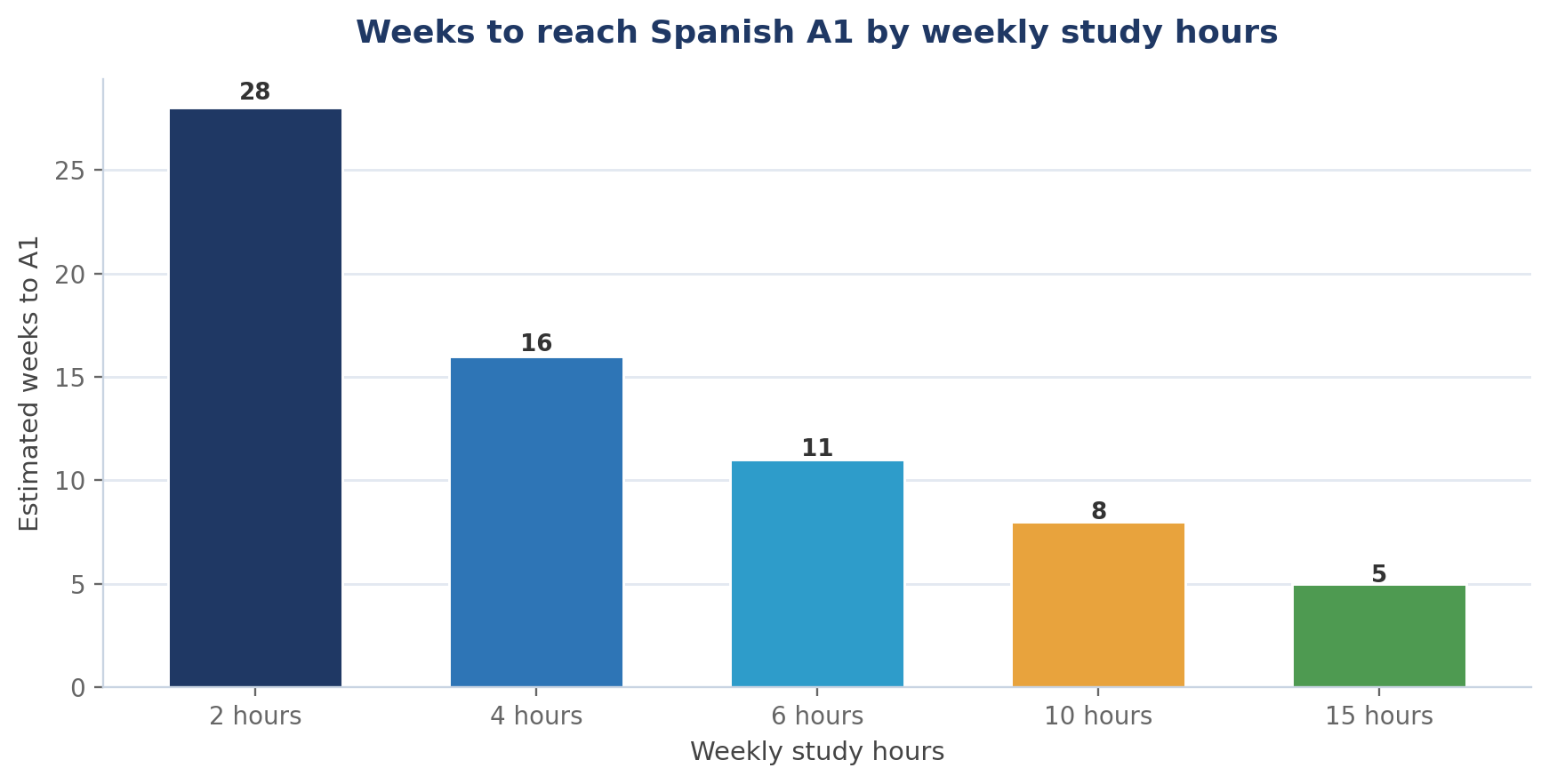
Spanish A1 explained: exactly what you learn, the can-do goals that define beginner Spanish, and a realistic plan to get from zero to A1 in weeks.
Is French Hard to Learn? What to Expect and How to Make It Easier
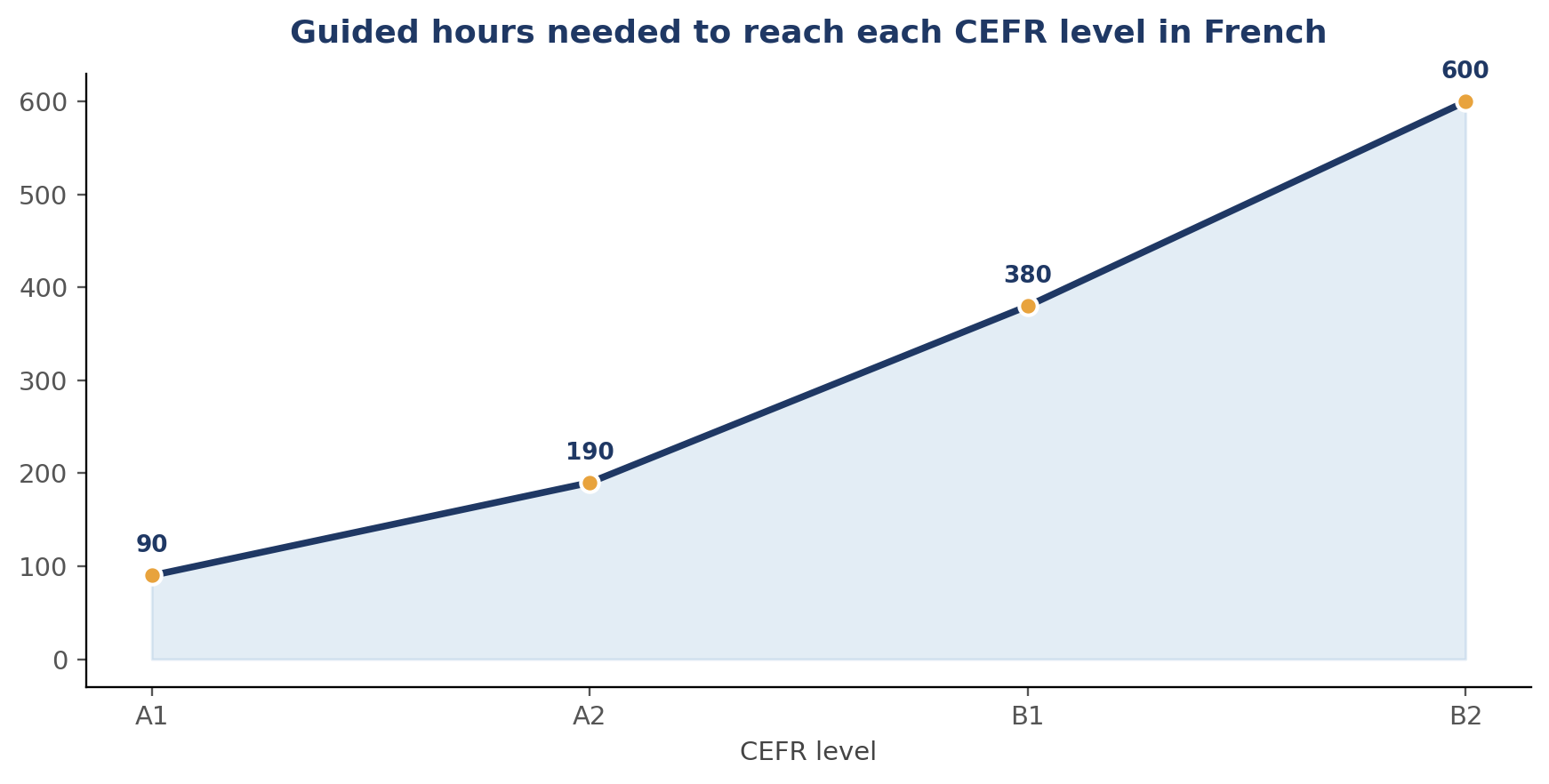
Is French hard to learn? The honest answer is not hard, just unfamiliar. See the five traps that slow beginners, real timelines, and how to learn French faster.
Raising a Bilingual Child in Japanese and English
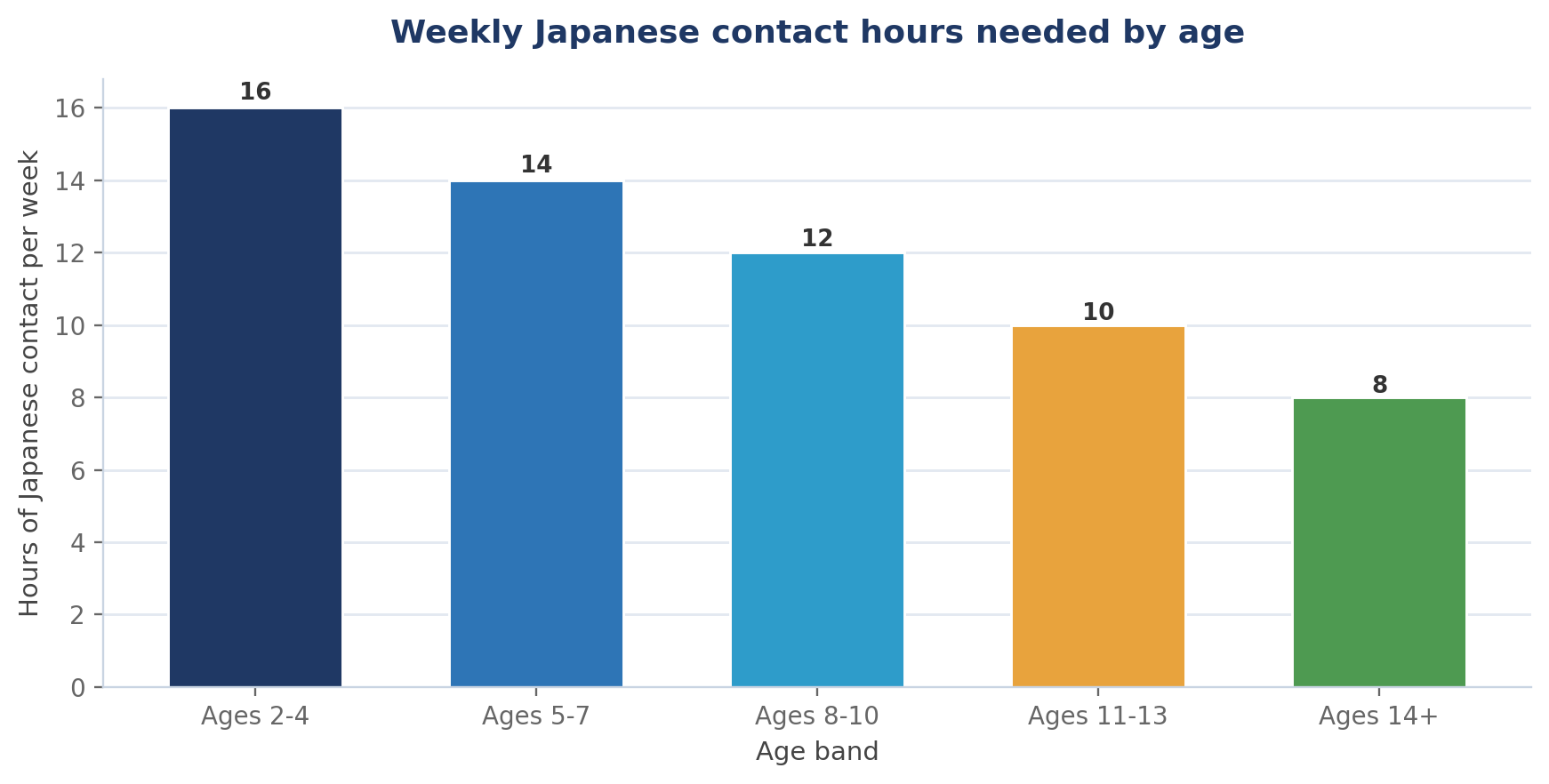
Raising a bilingual child in Japanese and English: the three-script problem, hoshuko weekend schools, realistic milestones and weekly contact hours.
Japanese for Business: Essential Phrases for Meetings
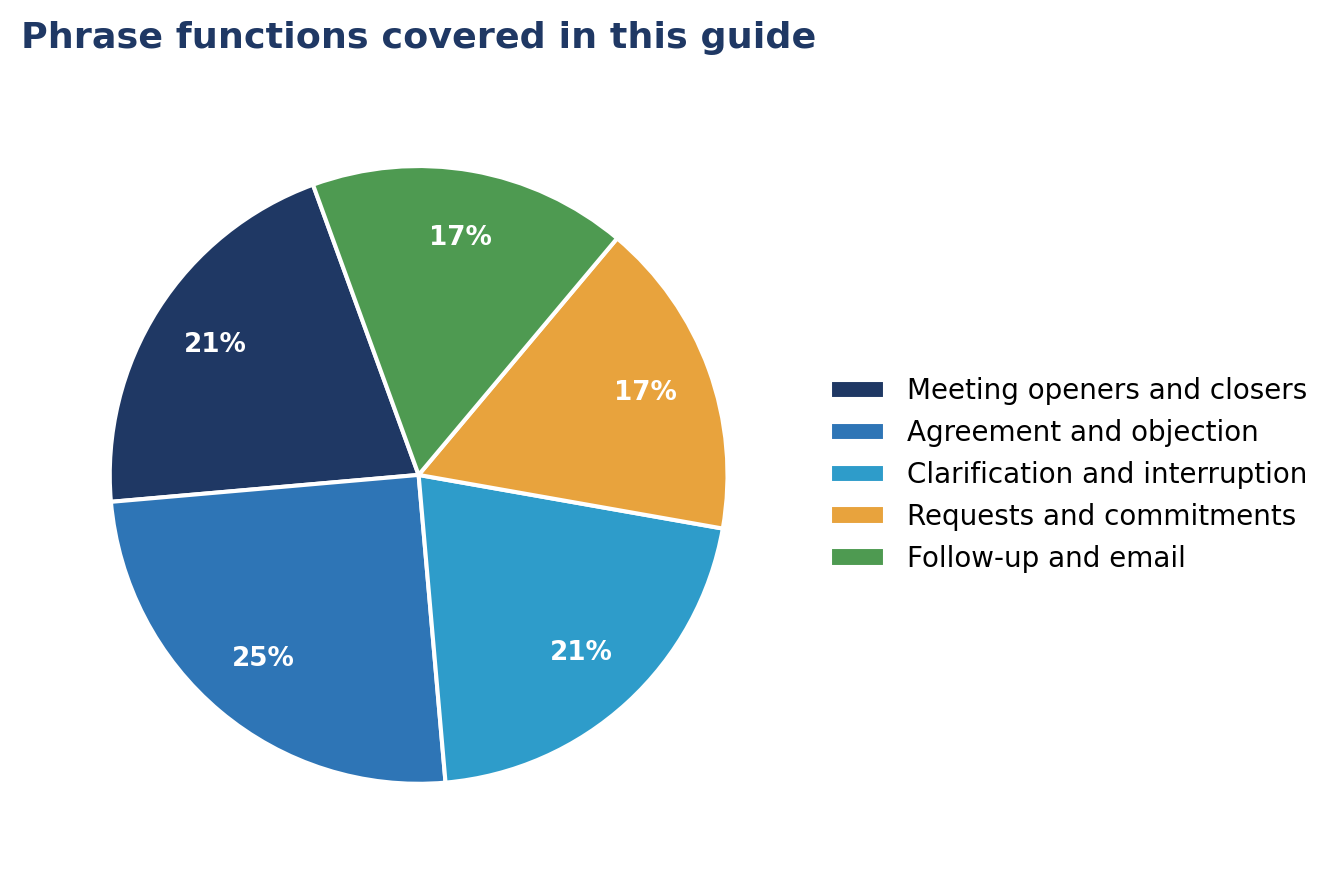
Business Japanese phrases for meetings — openers, polite disagreement, clarification and follow-ups, with the keigo register that keeps you credible.
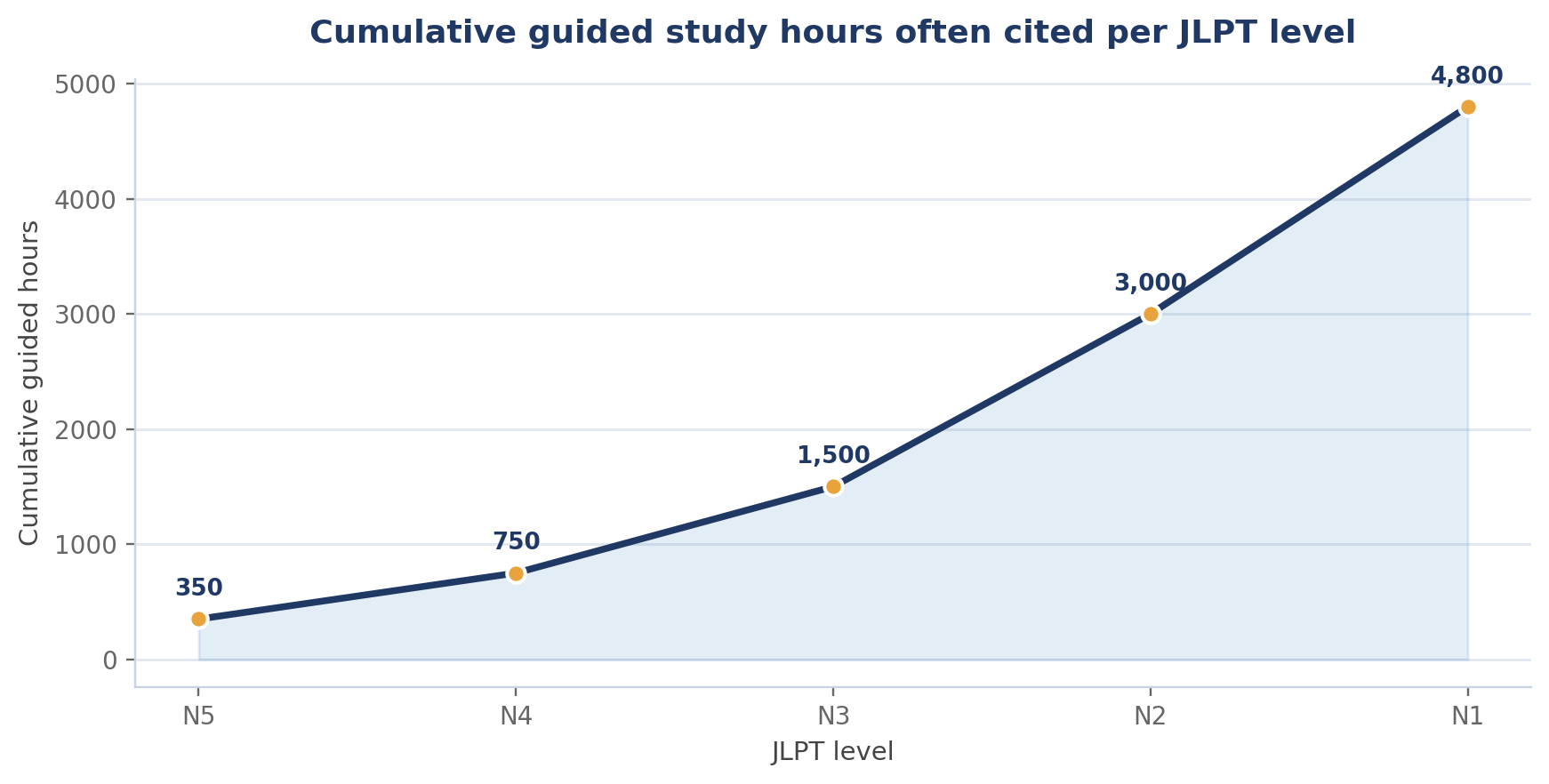
How to Stay Motivated While Learning Japanese
Stay motivated learning Japanese with habit design, plateau fixes and honest milestones — no slogans, just the routine that survives month four.
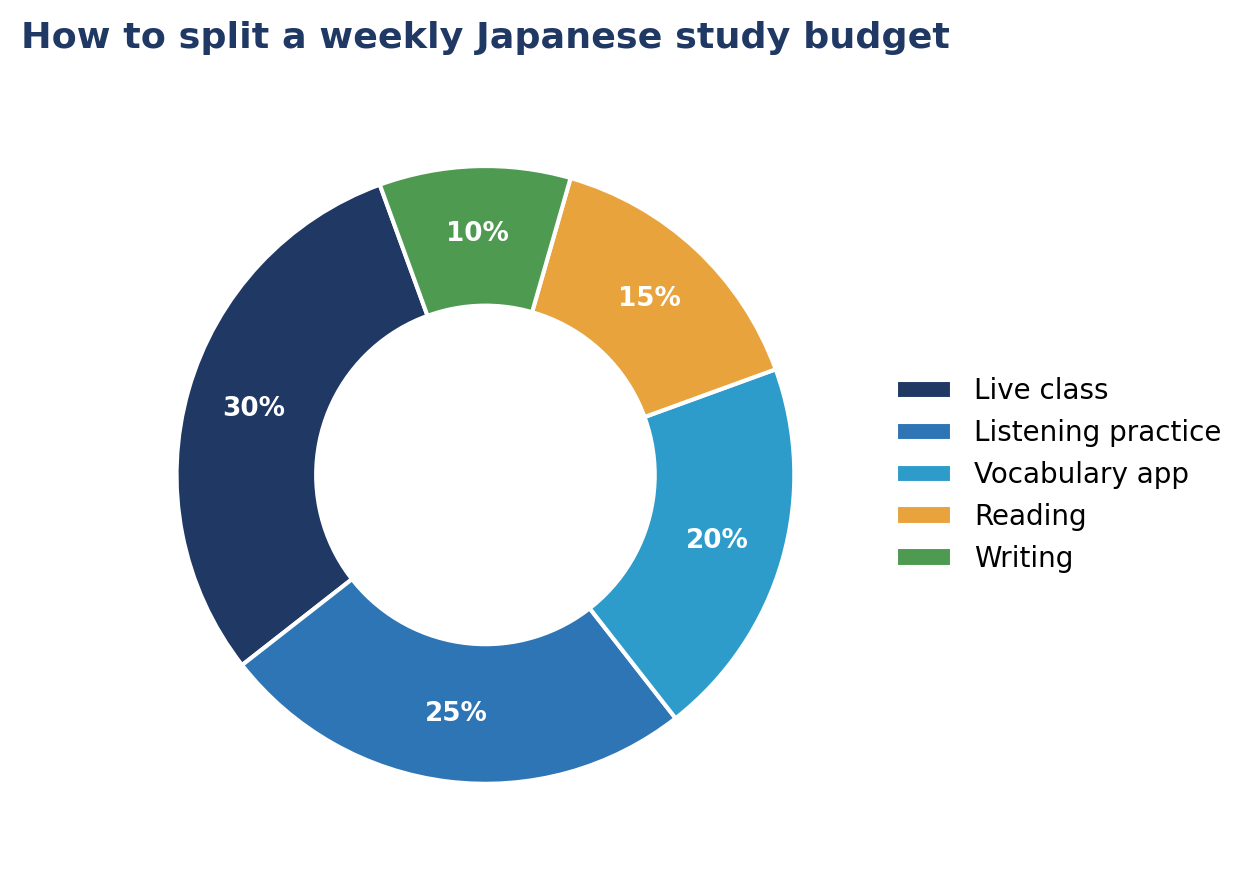
Japanese Apps vs a Real Japanese Course: Which Actually Works?
App or course for Japanese? A blunt comparison of cost, speed and speaking skill — and the hybrid routine most learners wish they had started sooner.
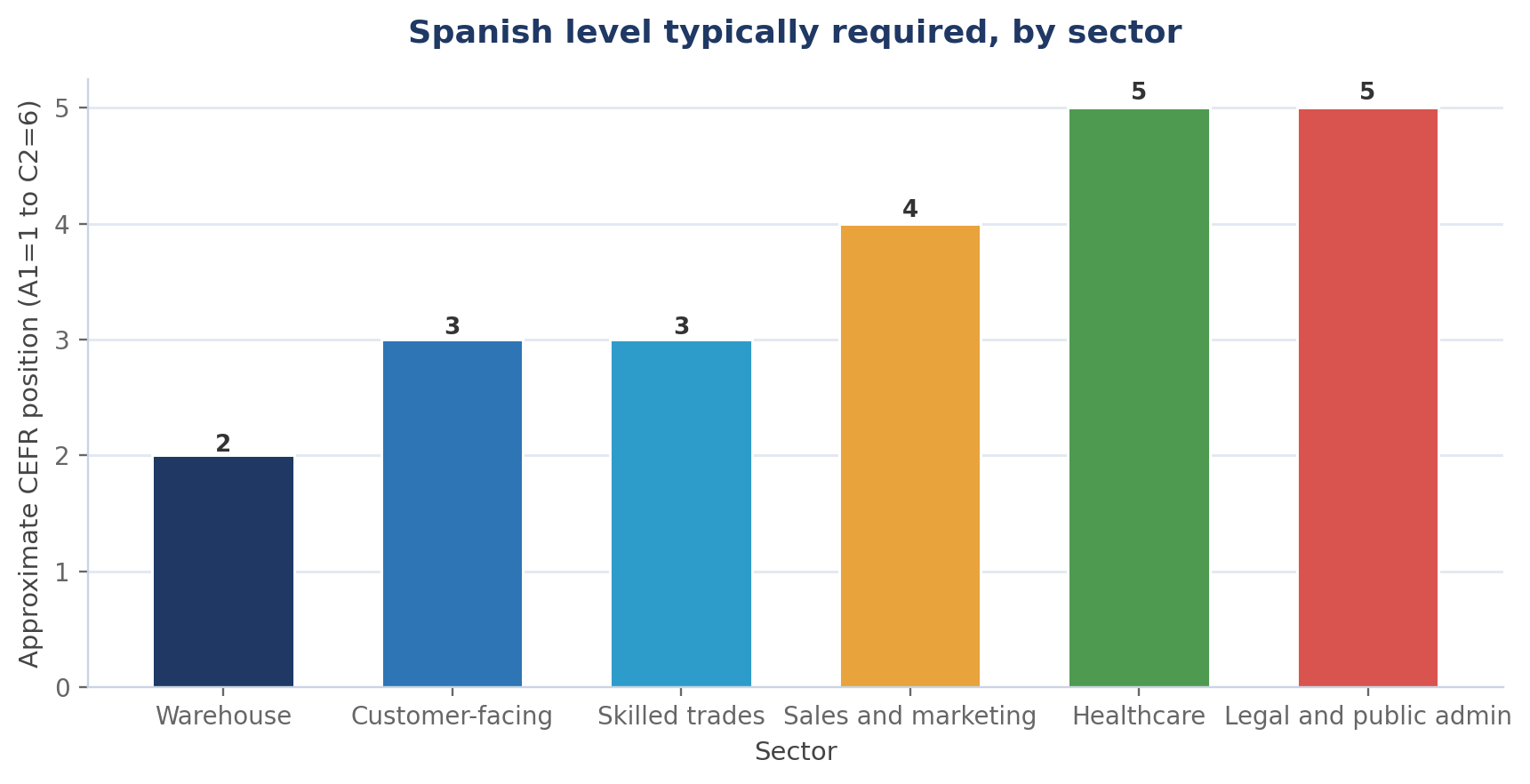
Working in Spain: How Much Spanish Do You Really Need?
Spanish for working in Spain: the real level each job needs, the paperwork vocabulary nobody teaches you, and how fast you can get there.