A four-year-old in Osaka says ただいま and nobody claps. She is not learning Japanese. She is living it. Meanwhile her uncle in Berlin has been studying for three years and still freezes when someone asks him 何歳ですか.
So: what is the best age to learn Japanese? The honest answer is that age changes what you gain, not whether you can. Children win on ears. Adults win on systems. Here's the real breakdown.
What you will get from this guide
- What children and adults each do better — and why
- Why Japanese is harder than Spanish for adults, and by how much
- The kanji timeline, mapped by age
- Practical start ages for kids, teens and adults, with realistic goals
What Age Actually Changes
Children and adults are not running the same race. They're running different races on the same track.
Children acquire phonology nearly free. Pitch accent, mora timing, vowel length — the natural ear. A learner who starts before seven or eight usually sounds native in rhythm for life.
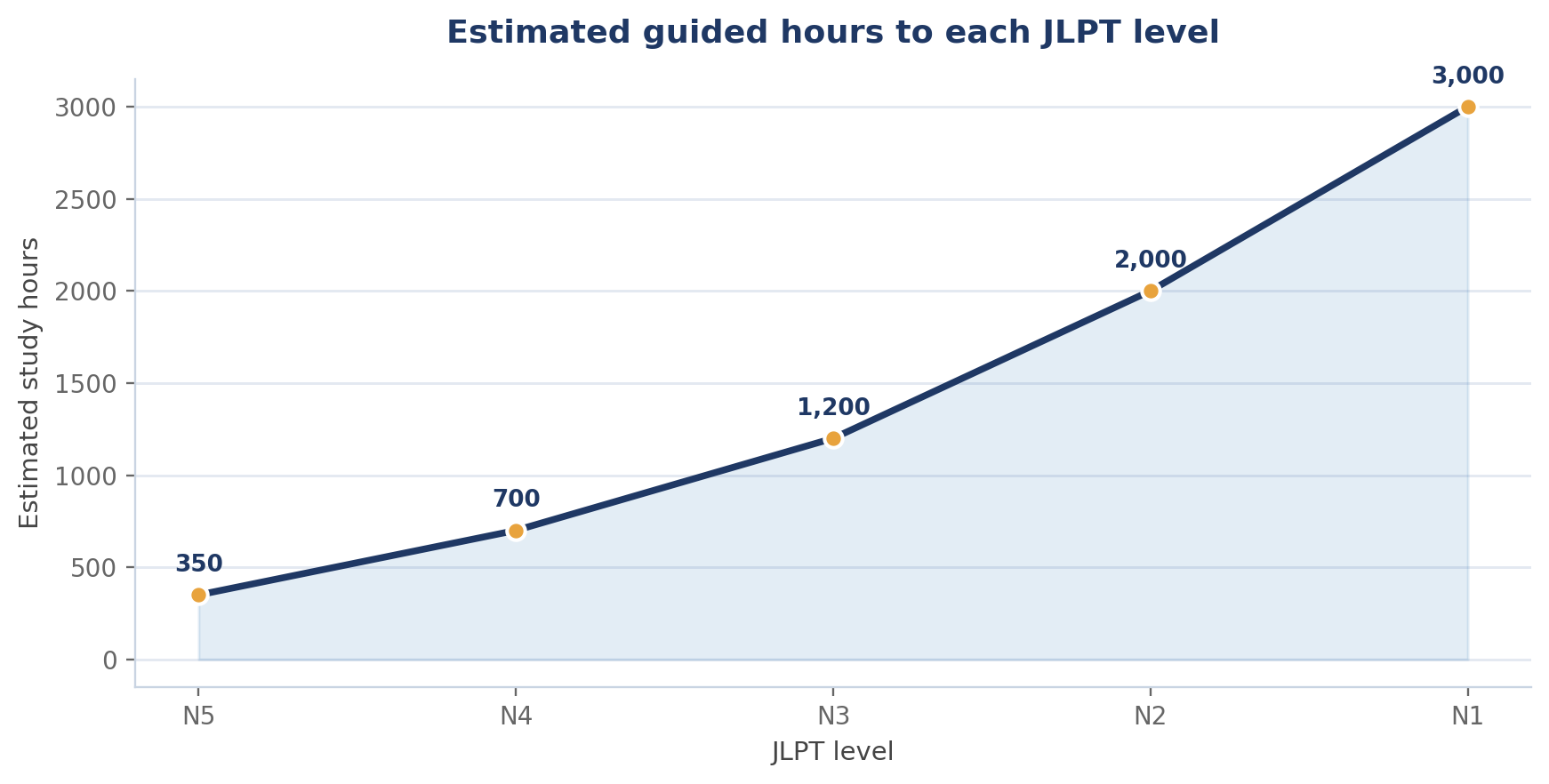
Adults acquire structure fast. They can read a grammar explanation once and apply it. The reason a 35-year-old reaches JLPT N3 in two years while a seven-year-old scrapes through the same ground in six is not intelligence. It's metacognition.
The Critical Period, Without the Panic
The critical period hypothesis applies most strongly to pronunciation, not to grammar or vocabulary. Adults can reach very high fluency. What they can't reliably do is unlearn an accent picked up after childhood — though many get close.
Translation: if your dream is to be mistaken for a Tokyo native on the phone, starting young helps enormously. If your dream is to read manga untranslated and hold meetings, your start date is whatever day you begin.
Kanji: The Timeline That Decides Everything
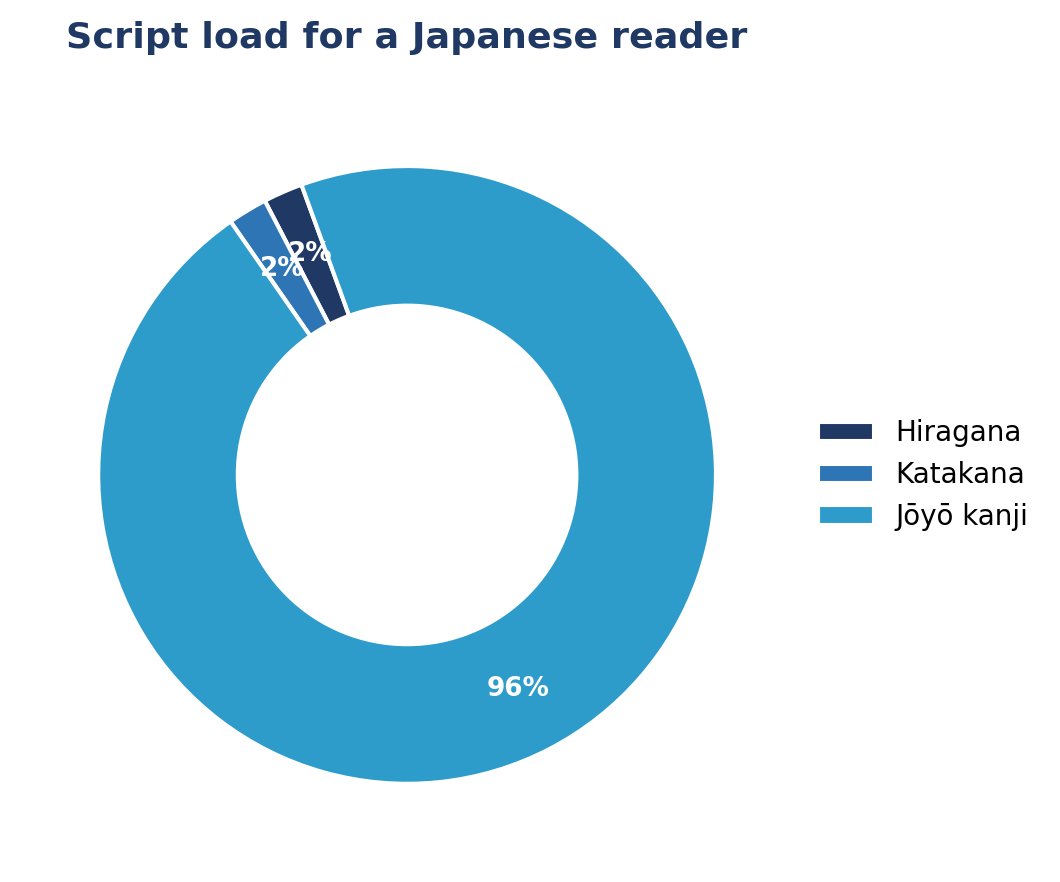
Japanese has three scripts. ひらがな and カタカナ are 46 characters each and can be learned in weeks by a motivated learner, child or adult. 漢字 is the long game.
Japan's official 常用漢字 (jōyō kanji) list contains 2,136 characters, the literacy target for adult life. Japanese schoolchildren learn 1,006 of them in six years of elementary school — about 200 a year from age six. Adults trying to match that pace need structured courses and daily review; trying to "pick them up" doesn't work.
So What's the Best Age?
Different answers for different goals.
If your child is five, start with sound and play — songs, picture books, kana games. If your child is thirteen, start seriously with a course, because self-directed kanji study collapses without structure.
And if you're forty: start today. You will be slower at characters and faster at everything else.
How Long Does It Really Take?
Japanese is one of the harder languages for English speakers, mostly because of kanji. The Foreign Service Institute of the US State Department puts Japanese in its most time-intensive category — a category it estimates at roughly 88 weeks of intensive study for professional working proficiency, compared with about 24 weeks for Spanish.
Whatever your age, start with sound structure
Self-paced Japanese with an AI voice tutor — kana, kanji and pitch accent taught in the order they actually stick. Structured lessons from A1 to B2, with speaking practice and instant AI feedback.
Explore live Japanese courses →Create a free accountMaking It Work at Any Age
For young children, the rule is exposure without pressure. Songs, kana games, short sessions, zero exams. Motivation dies fast under drilling.
For teens, add structure fast. Kana in the first month, a kanji schedule by week three, and a target — JLPT N5 within a year is reasonable for a consistent teen learner.
For adults, protect the daily 15 minutes. Kanji is forgetting-resistant only when it's reviewed often. A single 15-minute review beats a three-hour weekend cram, every time.
Frequently Asked Questions
What is the best age to start learning Japanese? For a native-like accent, before eight. For fluency and exams, any age works — adults routinely reach JLPT N3 and N2. Younger gives you ears; older gives you discipline.
Is it too late to learn Japanese at 40? No. Adults learn grammar and vocabulary faster than children in formal settings. Pronunciation may carry an accent, but fluency, reading and exam success are entirely reachable.
Should kids learn hiragana first or romaji? Hiragana first, always. Romaji builds a habit that later has to be unlearned, and it slows reading development in exactly the years when children absorb characters fastest.
How many kanji should a child learn per year? Japanese elementary schools teach 1,006 kanji over six years, roughly 200 a year. A young foreign learner at a comfortable pace might do 80–150 a year and still build solid reading skills.
References & Further Reading
- Japan Foundation — official Japanese-language education resources and overseas courses: https://jpf.go.jp/e/
- JLPT (日本語能力試験) official site — level descriptions from N5 to N1: https://jlpt.jp/e/
- Agency for Cultural Affairs (文化庁) — the 常用漢字表 jōyō kanji list, 2,136 characters: https://bunka.go.jp
- MEXT (文部科学省) — Japanese national curriculum guidance on kanji taught per school year: https://mext.go.jp
- U.S. Department of State, Foreign Service Institute — language difficulty categories and study-time estimates: https://state.gov
Start learning Japanese with our AI voice tutor at languageskills.net.